
Walk into any supermarket and you can buy a chocolate bar for the price of a cup of coffee. Step into a boutique chocolate shop, however, and suddenly that same pleasure costs ten, twenty, or even fifty dollars. The packaging is elegant, the language is poetic, and the salesperson speaks about cacao origins the way a sommelier speaks about wine. This raises a simple but surprisingly complex question: is luxury chocolate really worth the price, or are we paying for branding, presentation, and the illusion of refinement?
Luxury chocolate occupies a unique space between food, art, and lifestyle. It is eaten, but also displayed. It is given as a gift, used as a symbol of taste, and sometimes treated as an emotional reward. To judge whether it is “worth it,” we need to look beyond the price tag and examine what actually makes luxury chocolate different from mass-market chocolate, where the money goes, and who truly benefits from the upgrade.
This article takes a full, balanced look at luxury chocolate, comparing it with everyday chocolate from the perspectives of ingredients, craftsmanship, taste, ethics, psychology, and value. The goal is not to declare a universal winner, but to help you decide whether luxury chocolate makes sense for you.
What Do We Mean by “Luxury Chocolate”?
Luxury chocolate is not simply expensive chocolate. Price is part of the definition, but it is not the whole story. In general, luxury chocolate refers to products that emphasize high-quality cacao, refined production methods, careful sourcing, distinctive flavor profiles, and a curated consumer experience.
Some luxury brands focus on elegance and gifting, such as Godiva, which many people encounter through beautifully packaged boxes meant for special occasions. Others lean toward craftsmanship and culinary precision, like Valrhona, a brand widely used by professional pastry chefs around the world.
There is also a growing category of “bean-to-bar” makers—small producers who control the entire process from raw cacao beans to finished chocolate. These brands may not always be household names, but they often represent the most serious attempts to treat chocolate as a fine food rather than a commodity.
Luxury chocolate, then, is less about a single standard and more about a philosophy: intentional sourcing, intentional production, and intentional consumption.
The Price Gap: How Big Is the Difference?
To understand the debate, it helps to look at the numbers.
A typical mass-market chocolate bar costs between $1 and $3. A premium supermarket bar might cost $5 to $7. Luxury chocolate bars often range from $10 to $15, while boxed assortments of handcrafted chocolates can easily reach $30 to $80 or more.
This is not a small gap. In some cases, luxury chocolate costs ten times as much as everyday chocolate. That gap forces consumers to ask a legitimate question: what exactly am I getting for the extra money?
The answer lies in several layers, starting with the cacao itself.
Cocoa Beans: The Foundation of Flavor
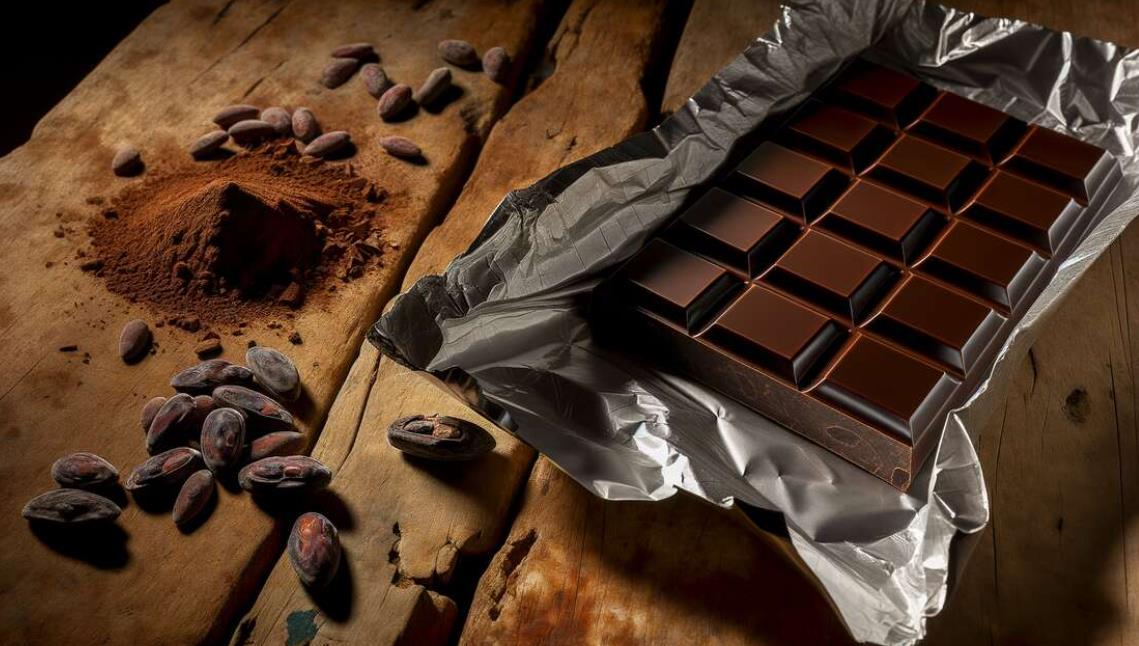
Chocolate begins with cacao, and not all cacao is created equal. Mass-market chocolate relies heavily on high-yield cacao varieties that prioritize consistency and cost efficiency over flavor complexity. These beans are often blended from multiple countries, processed quickly, and selected for their ability to taste the same year after year.
Luxury chocolate, by contrast, often uses higher-grade cacao beans, sometimes from a single origin or even a specific farm. These beans are chosen for their flavor potential rather than their yield. Factors such as soil composition, climate, fermentation methods, and drying techniques all influence the final taste.
Single-origin chocolate bars may highlight notes of red fruit, citrus, nuts, honey, or floral aromas. This approach treats chocolate more like wine or coffee, where origin matters and variation is embraced rather than eliminated.
This difference in raw materials alone accounts for a significant portion of the price gap. High-quality cacao is more expensive to grow, harvest, ferment, and export, especially when farmers are paid fair prices.
Production Methods: Speed vs. Craft
The next major difference lies in how chocolate is made.
Mass-market chocolate is designed for efficiency. Industrial-scale factories process enormous quantities of chocolate as quickly and cheaply as possible. Flavor inconsistencies are corrected with sugar, vanilla, milk solids, and emulsifiers. The goal is a smooth, sweet, familiar product that appeals to the widest possible audience.
Luxury chocolate production tends to be slower and more deliberate. Small-batch roasting allows producers to fine-tune flavor development. Longer conching times improve texture and aroma. Careful tempering creates a glossy finish and a clean snap.
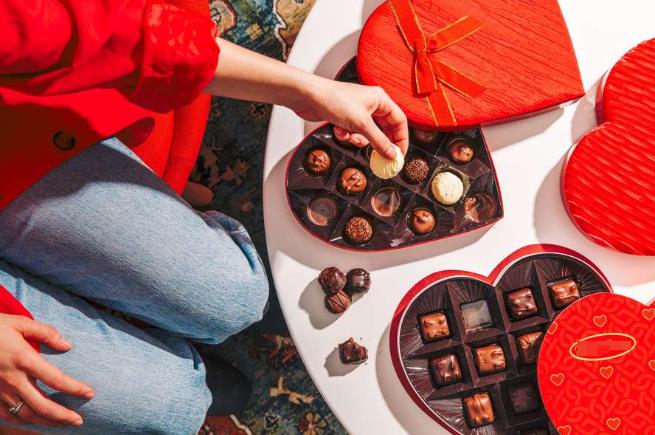
Some chocolatiers still handcraft individual bonbons, filling and decorating them one by one. This level of labor simply cannot be replicated at industrial scale, and labor is expensive.
The result is not just a prettier product, but often a different eating experience—one that emphasizes texture, aroma, and balance rather than sheer sweetness.
Taste and Texture: Can You Really Tell the Difference?
This is where opinions often diverge. Some people claim they can immediately taste the difference between luxury chocolate and ordinary chocolate. Others insist that chocolate is chocolate, and that sugar masks most nuances anyway.
Both perspectives contain some truth.
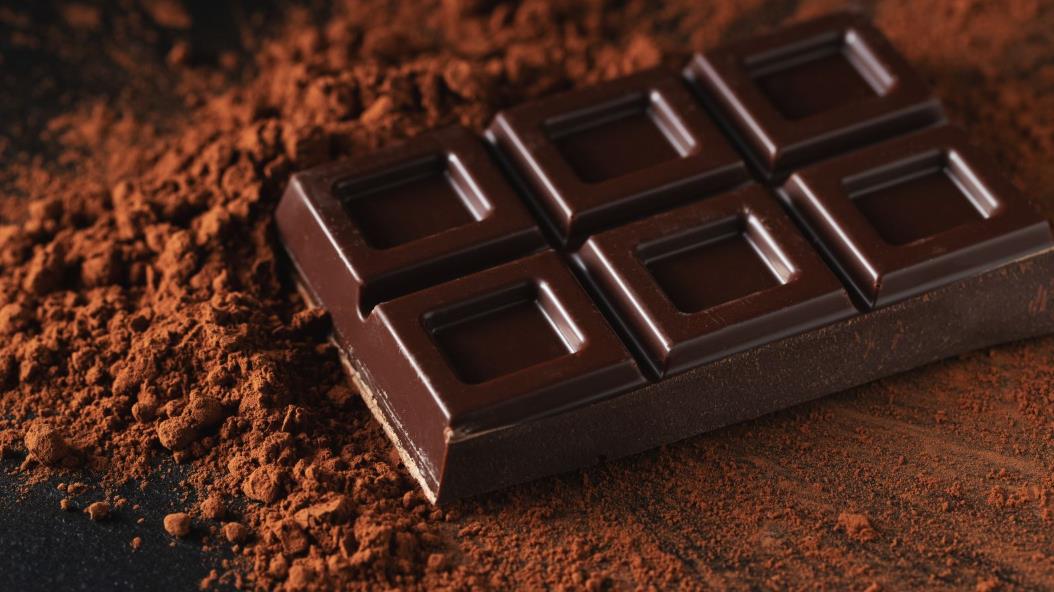
Luxury chocolate tends to melt more smoothly, thanks to higher cocoa butter content and careful tempering. The flavor often unfolds gradually, revealing layers rather than delivering an instant hit of sweetness. Bitterness, when present, is usually cleaner and more controlled. Acidity, if present, feels intentional rather than sharp.
Mass-market chocolate, on the other hand, is designed for immediate gratification. It is sweeter, more uniform, and less complex. For many consumers, this is not a flaw but a feature. Familiarity can be comforting, and not everyone wants to analyze flavor notes while eating dessert.
The key point is that luxury chocolate does not necessarily taste “better” in an absolute sense. It tastes different. Whether that difference is meaningful depends on your palate, expectations, and mindset.
Branding, Packaging, and Presentation
Luxury chocolate is as much about perception as it is about flavor. Packaging plays a significant role in the experience. Elegant boxes, textured paper, minimalist design, and carefully chosen color palettes all signal that the product inside is special.
Brands like Pierre Marcolini have built their reputation not only on technical skill, but also on storytelling and visual identity. The act of opening the box becomes part of the pleasure.
This raises an uncomfortable question: how much of what we are paying for is chocolate, and how much is theater?
The honest answer is: both. Presentation does not improve flavor directly, but it does shape expectations. Studies in sensory psychology show that perceived quality is influenced by context. When we expect something to be luxurious, we often experience it as such.
That does not mean luxury chocolate is a scam. It means that experience is multidimensional, and taste is only one part of it.
Ethics and Sustainability: A Hidden Value
Another area where luxury chocolate can justify its price is ethics. The global cacao industry has long struggled with issues such as underpaid farmers, child labor, and environmental degradation.
Many luxury chocolate brands position themselves as part of the solution. They pay higher prices for cacao, invest in long-term relationships with farmers, and support sustainable farming practices. Some emphasize transparency, publishing detailed information about their supply chains.
This does not automatically make luxury chocolate ethical, and not all expensive brands live up to their claims. However, it is generally true that extremely cheap chocolate leaves little room for fair compensation at the source.
For consumers who care about where their food comes from and how it affects others, this aspect of luxury chocolate can be a significant part of its value.
The Psychology of Indulgence
Chocolate is emotional. We eat it when we celebrate, when we are stressed, when we want comfort, and when we want to treat ourselves. Luxury chocolate amplifies this emotional role.
Buying a box of handcrafted chocolates is rarely about hunger. It is about mood, ritual, and meaning. The higher price can actually enhance the experience by encouraging slower, more mindful consumption. Instead of eating a whole bar without thinking, you savor one piece at a time.
This psychological effect is not trivial. In a culture of constant consumption, luxury chocolate invites restraint and appreciation. Whether that is worth paying for depends on how you relate to food and pleasure.
When Luxury Chocolate Makes Sense
Luxury chocolate is most likely worth the price in certain situations. It makes sense for people who enjoy exploring flavors, much like wine or specialty coffee enthusiasts. It also makes sense as a gift, where presentation and symbolism matter as much as taste.
It can also be worthwhile for consumers who prioritize ethical sourcing and are willing to pay more to support better practices.
In these contexts, luxury chocolate is not an overpriced snack, but a curated experience.
When It Probably Is Not Worth It
On the other hand, luxury chocolate may not be worth the price if you simply want something sweet after dinner or a quick energy boost. If chocolate is a casual treat rather than a focal point, mass-market options are often perfectly satisfying.
It may also feel disappointing if you expect luxury chocolate to deliver a dramatic, life-changing taste experience. The differences, while real, are often subtle. Expectations shaped by price and marketing can sometimes exceed reality.
Comparing Value, Not Just Price
The mistake many people make is comparing luxury chocolate and everyday chocolate purely on cost. A better comparison looks at value per experience.
If you spend $2 on a bar you eat absentmindedly, and $20 on a box you savor over several days, the difference in cost per moment of enjoyment may not be as large as it seems.
Value is personal. It depends on how you consume, what you notice, and what you care about.
The Final Verdict
So, is luxury chocolate worth the price?
There is no universal answer. Luxury chocolate is not objectively better in every way, nor is it merely a marketing trick. It represents a different philosophy of consumption—one that prioritizes craftsmanship, origin, presentation, and emotional resonance.
For some people, that philosophy aligns perfectly with their values and tastes. For others, it feels unnecessary or even pretentious. Both positions are valid.
In the end, luxury chocolate is worth the price only if it enhances your experience in a way that matters to you. Not because it is expensive, not because it is labeled “luxury,” but because it brings something meaningful to the table—whether that is flavor, ethics, ritual, or simple joy.
Luxury chocolate is not about paying more for sweetness. It is about paying attention to what you are eating, why you are eating it, and how it makes you feel.