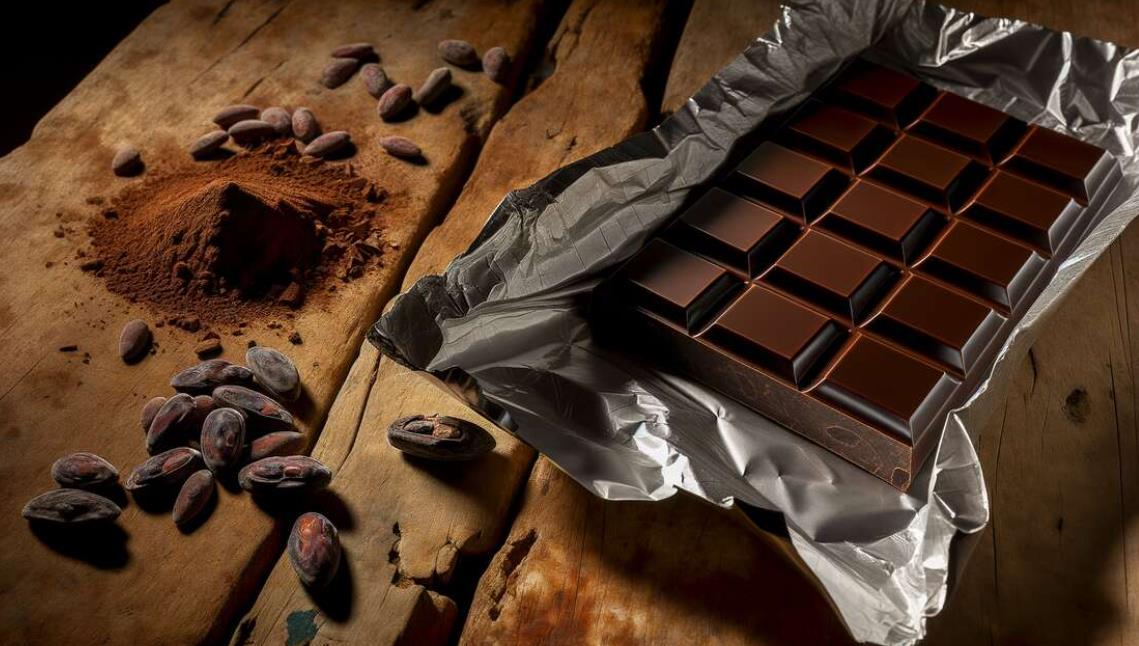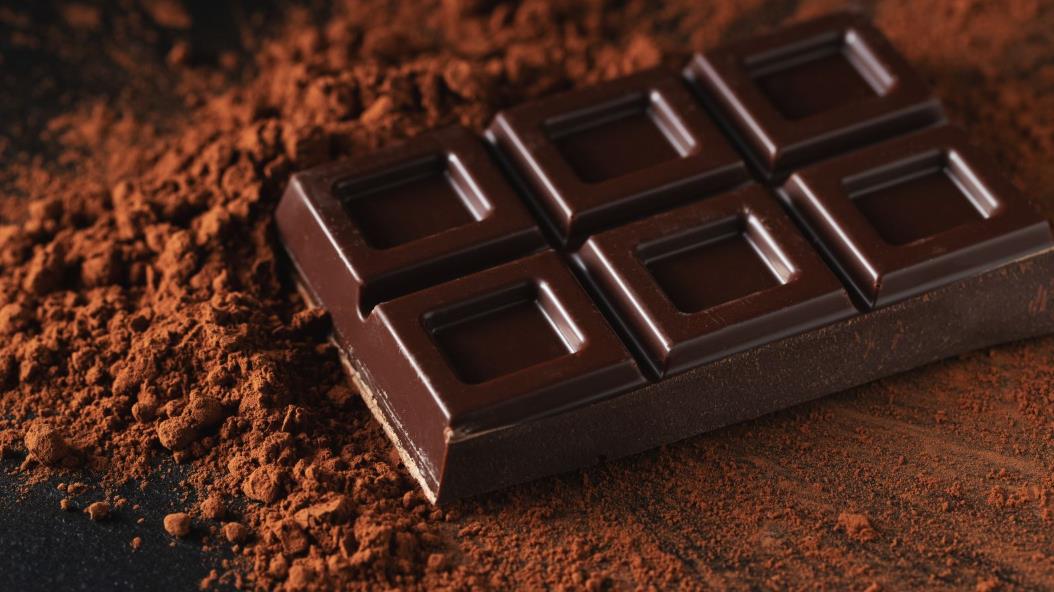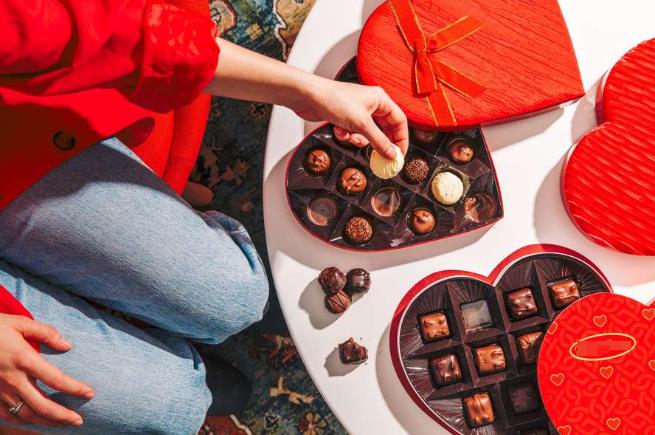

Chocolate is one of the most beloved ingredients and treats in the world. From a decadent piece of dark chocolate to a perfectly baked chocolate cake, its versatility is unparalleled. However, not all chocolates are created equal. Choosing the right chocolate for baking versus snacking is critical to achieving the desired flavor, texture, and quality in your recipes or personal enjoyment. This guide will explore the differences between baking chocolate and snacking chocolate, how to select them, and practical tips for making the most of each type.
Understanding Chocolate: Basic Composition
Before diving into the specifics of baking versus snacking chocolate, it’s important to understand the core components that make up chocolate:
- Cocoa Solids – These provide the chocolate flavor. The higher the cocoa solids, the more intense the chocolate taste.
- Cocoa Butter – The fat component of chocolate, which contributes to smoothness, mouthfeel, and melting behavior.
- Sugar – Sweetens the chocolate. Amounts vary widely depending on type.
- Milk Solids – Found in milk chocolate, adding creaminess and mellowing the cocoa intensity.
- Other Ingredients – Includes emulsifiers (like lecithin) to improve texture and flavorings such as vanilla.
For bakers and chocolate lovers alike, understanding these components helps in selecting the right chocolate for a specific purpose. The balance of cocoa solids, cocoa butter, sugar, and milk determines whether a chocolate is better suited for baking, snacking, or gourmet applications.
Baking Chocolate: Selection and Guidelines
Baking chocolate, also known as cooking chocolate, is specifically formulated for use in recipes. Its characteristics differ from snacking chocolate in several key ways:
- Higher Cocoa Content: Usually between 50% and 100%, providing strong chocolate flavor.
- Lower Sugar Levels: Less sweetness allows you to control sugar in your recipes.
- High Cocoa Butter: Ensures smooth melting and integration into batters, ganache, and frostings.
- Minimal Additives: Pure flavor without fillers or flavors that could interfere with cooking.
Types of Baking Chocolate
| Type | Typical Use | Characteristics |
|---|---|---|
| Couverture Chocolate | Ganache, tempering, enrobing | High cocoa butter, smooth, melts evenly |
| Unsweetened Chocolate | Traditional brownies, cakes, cookies | Pure cocoa flavor, sugar must be added |
| Bittersweet / Dark Chocolate | Cakes, mousses, ganache | Rich, slightly sweet, higher cocoa solids (60–70%) |
| Semisweet Chocolate | Multi-purpose baking | Balanced flavor, widely used in chocolate chips |
Practical Tips for Choosing Baking Chocolate
- Check the Cocoa Content: Higher cocoa solids mean more intense flavor. Unsweetened is nearly 100% cocoa.
- Fat Content Matters: For smooth melting, couverture chocolate with high cocoa butter is ideal.
- Chocolate Chips vs. Bars: Chips often contain stabilizers to maintain shape when baking; couverture or solid blocks give better texture and flavor in ganache or sauces.
- Quality Brands: Consider Ghirardelli, Callebaut, Valrhona, or Scharffen Berger, all of which are widely available in the U.S. and Europe and offer reliable results.
Matching Chocolate to Recipe Type
- Melted Chocolate for Sauces or Ganache: Use couverture or high-fat dark chocolate for smooth results.
- Chunks or Chopped Pieces in Cookies: Choose semisweet or bittersweet chocolate, ideally chopped from a bar for uniform melting.
- Layered Cakes or Frosting: High-quality couverture gives the best flavor without additional sugar overpowering the recipe.
Snacking Chocolate: Selection and Guidelines
Snacking chocolate is designed for enjoyment rather than functional baking purposes. It is optimized for taste, texture, and overall sensory experience.
Main Types of Snacking Chocolate
- Milk Chocolate: Creamy, sweet, and mild; ideal for casual snacking.
- Dark Chocolate: Higher cocoa content, less sugar, often 60–85% cocoa solids; appreciated by adults for complex flavors.
- Flavored or Filled Chocolate: Includes nuts, caramel, fruit, sea salt, or mint; emphasizes variety and indulgence.
- Artisan or Single-Origin Chocolate: Emphasizes bean-to-bar production and origin-specific flavors; often marketed as a luxury or gift item.
Factors to Consider When Choosing Snacking Chocolate
- Flavor Profile: Single-origin chocolates often have nuanced tastes, from fruity to earthy. Consider this if you want a more sophisticated experience.
- Cocoa Content: For health-conscious consumers, higher cocoa percentages are preferred.
- Texture: Smooth, creamy, or crunchy variations can affect enjoyment.
- Additives: Snacking chocolate may include emulsifiers, stabilizers, or flavorings. While these enhance mouthfeel, they are less desirable for baking applications.
Popular Snacking Chocolate Brands in the Western Market
- Lindt & Sprüngli: Smooth Swiss chocolate, widely available, various cocoa percentages.
- Godiva: Premium chocolate with fillings and elegant packaging.
- Green & Black’s: Organic, high-quality chocolate, including single-origin dark chocolate.
- Toblerone: Iconic shape and flavors, great for gifting and snacking.
Baking Chocolate vs. Snacking Chocolate: Key Differences
Understanding the differences between these two categories is essential for both bakers and chocolate lovers:
| Feature | Baking Chocolate | Snacking Chocolate |
|---|---|---|
| Cocoa Content | High (50–100%) | Variable (30–85%) |
| Sugar Content | Low or none | Moderate to high |
| Fat Content | High cocoa butter | Moderate, varies by type |
| Additives | Minimal | Often added (emulsifiers, flavorings) |
| Purpose | Functional, recipe integration | Enjoyment, snacking, gift giving |
Tips for Baking with Chocolate
- Tempering for Chocolate Work: Properly temper couverture chocolate for shiny, crisp finishes on truffles and decorations.
- Melting Methods: Use double boilers or gentle microwave heat to avoid burning chocolate.
- Storage: Keep baking chocolate in a cool, dry place away from light and strong odors.
- Pairing Flavors: Complement chocolate with nuts, fruits, spices, or coffee for depth in baked goods.
Tips for Enjoying Snacking Chocolate
- Tasting Technique: Break a piece, smell it, and let it melt in your mouth to appreciate nuances.
- Pairing: Combine with wine, coffee, or cheese to enhance the experience.
- Storage: Similar to baking chocolate, keep in a cool, dry place; avoid refrigerating unless necessary.
- Occasions: Gift chocolate, enjoy a small piece daily, or use in mindful indulgence moments.
Chocolate in Western Baking Culture
In the U.S. and Europe, chocolate is not just an ingredient—it’s a cultural symbol. From the classic American chocolate chip cookie to French chocolate ganache tarts, the type of chocolate selected profoundly impacts the final outcome. Holiday traditions, such as Easter, Christmas, and Valentine’s Day, see spikes in both baking and snacking chocolate sales, emphasizing the importance of choosing the right chocolate for the right purpose.
Advanced Considerations for Chocolate Selection
Cocoa Origin and Flavor Nuances
Chocolate flavor varies depending on the origin of the cocoa beans:
- West Africa (Ghana, Ivory Coast): Bold, nutty flavors; common in mass-market chocolate.
- South America (Ecuador, Peru): Fruity, floral, or slightly acidic notes; popular in artisan chocolate.
- Madagascar: Known for bright, acidic, and fruity flavors, especially in single-origin dark chocolate.
Health Considerations
- Dark Chocolate Benefits: Higher cocoa solids provide antioxidants and lower sugar content.
- Moderation: Despite health benefits, chocolate is calorie-dense.
- Organic and Fair-Trade Options: Available for consumers concerned with sustainability and ethical sourcing.
Chocolate Storage and Shelf Life
- Temperature: 60–70°F (15–21°C) ideal; avoid heat which causes blooming.
- Humidity: Keep below 50%; moisture can affect texture.
- Light and Odors: Chocolate absorbs odors; store away from strong-smelling items.
Practical Buying Guide
Baking Chocolate Shopping Tips
- Prioritize high cocoa content and high cocoa butter for recipes requiring smooth melting.
- Check the brand reputation—reliable brands provide consistent results.
- Buy in bulk if baking frequently, but ensure proper storage to prevent quality degradation.
Snacking Chocolate Shopping Tips
- Look for clear cocoa percentages on the packaging.
- Experiment with flavors, fillings, and origins to find personal favorites.
- Consider artisan chocolate for gifting or special occasions.
Choosing the right chocolate for baking versus snacking is more than just picking the prettiest wrapper. Baking chocolate focuses on functionality, purity, and melting behavior, while snacking chocolate prioritizes taste, texture, and indulgence. Understanding cocoa content, fat levels, sugar ratios, and flavor profiles allows bakers and chocolate lovers to make informed decisions, ensuring that recipes turn out perfectly and snacking experiences are truly enjoyable.
Whether you are baking a decadent chocolate cake, crafting delicate truffles, or savoring a piece of high-quality dark chocolate, the right choice of chocolate makes all the difference. In the Western market, a plethora of options exists, from mass-market classics to artisan single-origin bars, giving every chocolate enthusiast the opportunity to explore, experiment, and enjoy.
Remember: it’s not about which chocolate is “better,” but which chocolate is right for the occasion. Good chocolate transforms recipes into memorable experiences and elevates everyday moments into indulgent pleasures.