
Chocolate has always been more than a simple sweet treat. For many consumers, it represents comfort, indulgence, celebration, and even self-care. As we move into 2025, the global chocolate market is entering a period of meaningful transformation. Shifting consumer values, rising ingredient costs, health awareness, and sustainability concerns are reshaping how chocolate is produced, marketed, and enjoyed.
In the past, chocolate trends were often driven by novelty flavors or seasonal promotions. Today, they are increasingly influenced by broader lifestyle choices and ethical considerations. Consumers want better ingredients, clearer sourcing, and products that align with their personal values—without sacrificing taste.
From premium dark chocolate to plant-based innovations and eco-friendly packaging, the year ahead promises major changes for chocolate lovers and brands alike. Here are the most important chocolate trends to watch in 2025.
Why Chocolate Trends Matter More Than Ever
Chocolate consumption remains strong in North America and Europe, but the way people buy and enjoy chocolate is evolving. Rather than impulse purchases, many consumers are becoming more intentional. They read labels, compare origins, and think carefully about quality versus quantity.
Economic uncertainty has also influenced buying habits. While some consumers are cutting back on everyday luxuries, chocolate continues to thrive as an affordable indulgence. A small bar of high-quality chocolate still feels like a reward, making it resilient even in tighter economic conditions.
At the same time, social media, food culture, and global travel have exposed consumers to new chocolate styles, flavors, and standards. Expectations are higher than ever, and brands must adapt to stay relevant.
Premium Chocolate Becomes an Everyday Indulgence
What was once reserved for specialty shops and gift boxes is increasingly becoming part of everyday life. Premium chocolate is no longer just for holidays or special occasions. In 2025, more consumers are choosing to eat less chocolate overall, but of significantly higher quality.
This shift is driven by several factors. First, there is growing appreciation for craftsmanship. Concepts like bean-to-bar production, single-origin cacao, and small-batch manufacturing resonate with consumers who value authenticity. Chocolate is now discussed much like coffee or wine, with attention paid to flavor notes, terroir, and sourcing.
Second, premium chocolate aligns well with modern wellness trends. High-cacao dark chocolate, in particular, is often perceived as a more mindful indulgence. Rather than consuming large quantities of sugary candy, consumers are savoring smaller portions with richer flavor profiles.
As a result, premium chocolate bars, tablets, and tasting assortments are expected to see continued growth throughout 2025.
Dark Chocolate Continues to Dominate Consumer Preferences
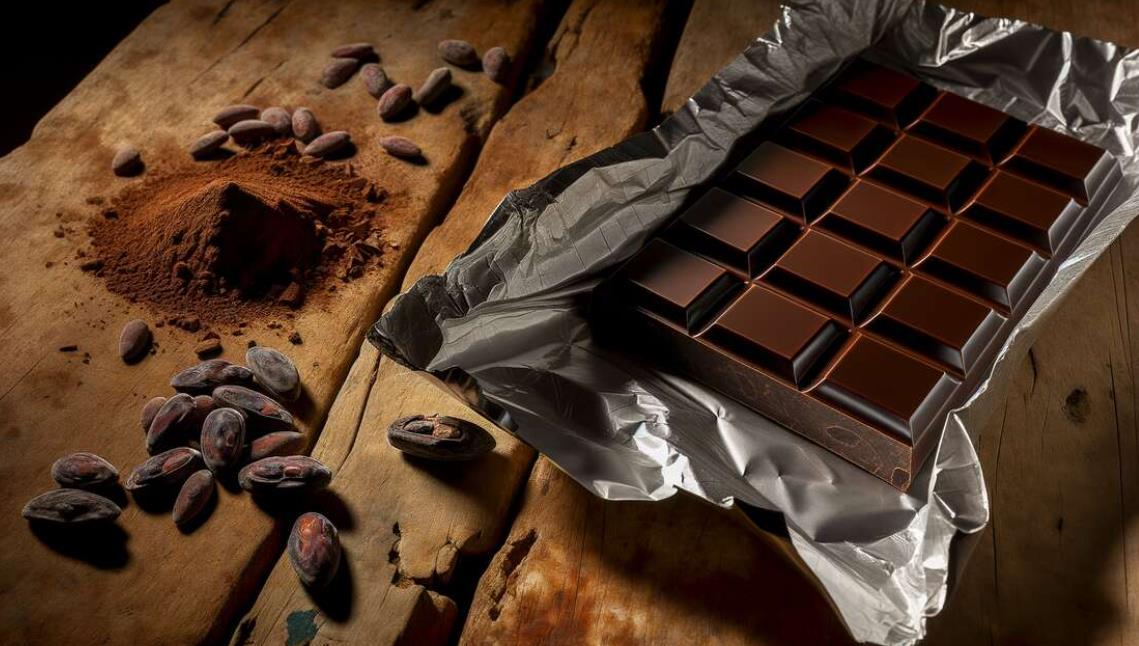
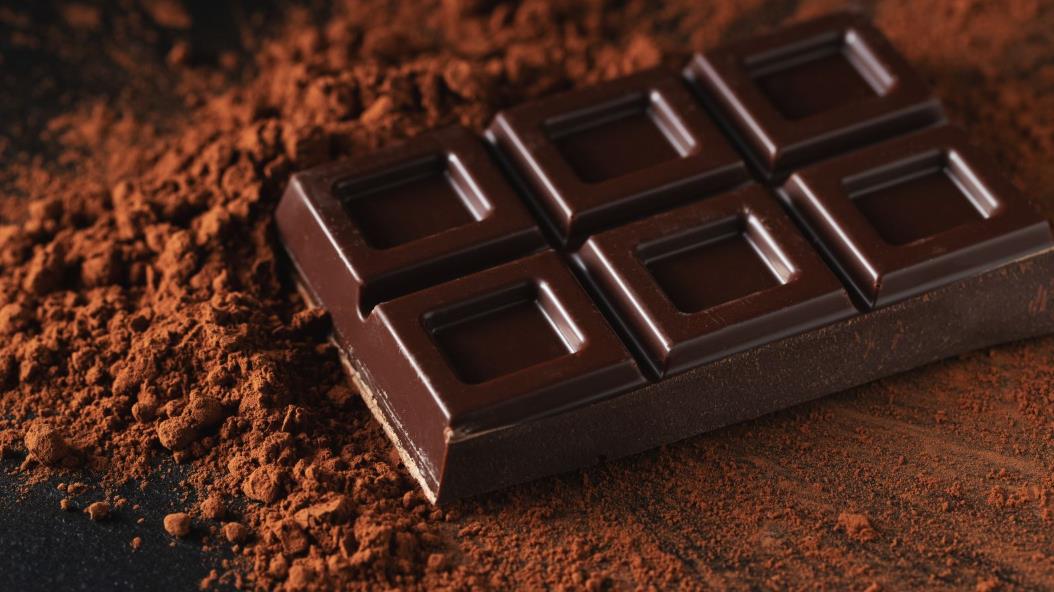
Dark chocolate has been gaining popularity for years, and that momentum shows no signs of slowing. In 2025, dark chocolate with higher cacao percentages is firmly established as a mainstream choice rather than a niche product.
Many consumers associate dark chocolate with potential health benefits, including antioxidants and lower sugar content. While most people are careful not to view chocolate as a health food, the perception of dark chocolate as a “better-for-you” option strongly influences purchasing decisions.
Flavor complexity is another major factor. Dark chocolate allows the natural characteristics of cacao to shine through, offering bitter, fruity, nutty, or earthy notes depending on origin. This complexity appeals to consumers seeking a more sophisticated eating experience.
Manufacturers are responding by offering a wider range of cacao percentages, origin-specific bars, and limited releases designed for tasting rather than snacking.
Health-Conscious Chocolate Gains Widespread Appeal
Health awareness continues to shape food trends across all categories, and chocolate is no exception. In 2025, consumers are not necessarily giving up chocolate, but they are looking for options that better fit their dietary preferences and lifestyle goals.
Reduced-sugar chocolate is one of the fastest-growing segments. Brands are experimenting with alternative sweeteners, lower overall sugar content, and recipes that rely more heavily on cacao for flavor. While taste remains the top priority, improved formulations have made these products more appealing than ever.
Functional chocolate is also gaining traction. Some products include added protein, fiber, or other ingredients associated with wellness. These chocolates are often marketed as snacks rather than candy, blurring the line between indulgence and nutrition.
Importantly, transparency plays a key role in this trend. Consumers want to understand what is in their chocolate and why. Clear labeling and straightforward ingredient lists are becoming standard expectations.
Plant-Based and Dairy-Free Chocolate Goes Mainstream
Plant-based eating is no longer limited to vegan or vegetarian consumers. In 2025, dairy-free chocolate appeals to a broad audience, including those with lactose intolerance, environmental concerns, or simple curiosity.
Advancements in plant-based ingredients have significantly improved taste and texture. Oat milk, almond milk, and coconut milk chocolates now offer creaminess comparable to traditional milk chocolate. This has removed one of the biggest barriers to adoption.
Plant-based chocolate also aligns closely with sustainability trends. Many consumers view dairy-free options as having a lower environmental impact, even if they are not strictly vegan. As a result, plant-based chocolate is increasingly seen as a modern, responsible choice rather than an alternative product.
Retail shelves in 2025 are expected to feature dairy-free options alongside conventional chocolate, rather than in separate sections.
Sustainability Shapes Chocolate Purchasing Decisions
Sustainability is no longer a marketing bonus—it is a deciding factor for many chocolate buyers. Issues surrounding cacao farming, including fair wages, deforestation, and climate change, have received growing attention in recent years.
Consumers are becoming more aware of the challenges faced by cacao farmers and are increasingly interested in ethical sourcing. Certifications, direct trade relationships, and transparent supply chains play a major role in building trust.
Packaging is another important aspect of sustainability. In 2025, more brands are adopting recyclable, compostable, or reduced-plastic packaging. Minimalist designs that use fewer materials are not only environmentally friendly but also visually appealing to modern consumers.
For many shoppers, choosing a sustainably produced chocolate feels like a small but meaningful way to support global responsibility.
Unique Flavor Pairings Capture Consumer Curiosity
Flavor innovation remains one of the most exciting aspects of chocolate trends in 2025. While classic flavors will always have a place, adventurous consumers are eager to try something new.
Unexpected combinations such as chili, sea salt, herbs, floral notes, and exotic fruits continue to gain popularity. These flavors add contrast and complexity, making chocolate feel like a culinary experience rather than a simple sweet.
Global influences are especially prominent. Ingredients inspired by Latin American, Asian, and Middle Eastern cuisines are appearing more frequently, reflecting broader interest in international flavors.
Limited-edition releases and seasonal flavors are particularly effective in driving excitement. They create a sense of urgency and encourage consumers to explore beyond their usual choices.
Chocolate as a Lifestyle and Gifting Product
Chocolate is increasingly positioned as part of a lifestyle rather than just a snack. In 2025, presentation and experience matter more than ever.
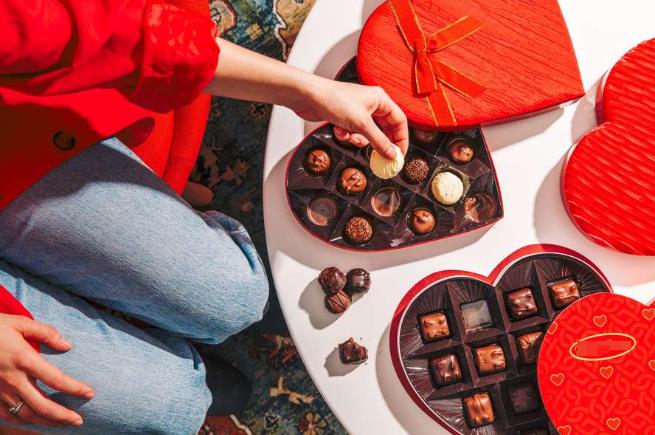
Premium packaging, thoughtful design, and storytelling elevate chocolate into a gift-worthy product. Consumers are buying chocolate not only for personal enjoyment but also for birthdays, holidays, corporate gifts, and special occasions.
Subscription services and curated chocolate boxes are also gaining popularity. These offerings provide discovery, convenience, and a sense of connection to the brand. They turn chocolate consumption into an ongoing experience rather than a one-time purchase.
This trend reinforces chocolate’s role as an emotional product—something associated with care, celebration, and shared moments.
Technology and Innovation Influence Chocolate Production
Behind the scenes, technology is playing a growing role in shaping the chocolate industry. In 2025, innovation extends beyond marketing and flavor development into production and quality control.
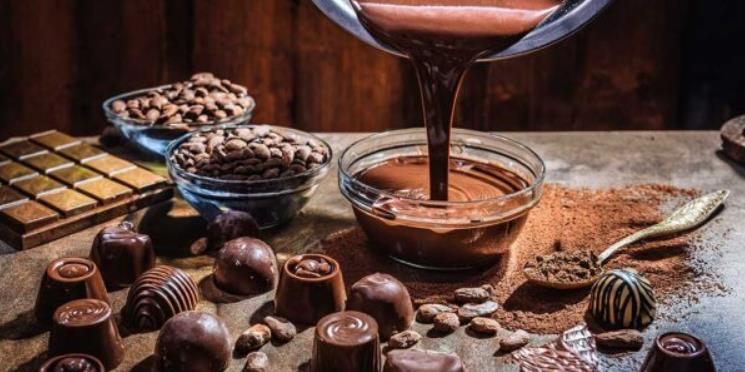
Advanced fermentation techniques are helping producers achieve more consistent flavor profiles while reducing waste. Data-driven approaches allow manufacturers to fine-tune recipes and respond more quickly to consumer preferences.
Some companies are exploring alternative cacao sources or hybrid ingredients to address supply challenges caused by climate change. While traditional cacao remains central to chocolate, innovation may help stabilize production in the long term.
For consumers, these advancements translate into better quality, more reliable products, and continued access to chocolate despite global challenges.
Transparency and Storytelling Become Essential
Modern consumers want to know the story behind their food, and chocolate is no exception. In 2025, transparency is not just appreciated—it is expected.
Brands that clearly communicate where their cacao comes from, how it is sourced, and what values guide their production are more likely to earn consumer loyalty. This storytelling helps build emotional connections and differentiates products in a crowded market.
Authenticity is critical. Consumers are quick to recognize vague claims or exaggerated marketing. Honest, straightforward messaging resonates far more than flashy slogans.
As a result, brands are focusing on meaningful narratives that highlight people, places, and processes rather than purely promotional language.
What Consumers Will Expect from Chocolate in 2025
By 2025, chocolate buyers have developed clear expectations. They want products that deliver excellent taste while aligning with their personal values. Quality, transparency, and responsibility are no longer optional features.
Consumers expect chocolate to be indulgent but not excessive, flavorful but not artificial, and enjoyable without guilt. They appreciate brands that respect both the craft of chocolate making and the people involved in the supply chain.
At the same time, they are open to innovation. New flavors, formats, and concepts are welcomed, as long as they feel thoughtful and well-executed.
The Future of Chocolate Is Thoughtful Indulgence
Chocolate in 2025 is defined by balance. It balances indulgence with mindfulness, tradition with innovation, and pleasure with responsibility. Rather than chasing extremes, the industry is evolving toward products that feel intentional and meaningful.
For consumers, this means better choices and richer experiences. For producers, it means adapting to changing values while preserving the joy that makes chocolate so beloved.
As these trends continue to shape the market, one thing remains certain: chocolate will always have a place in people’s lives. It may look, taste, and feel different than it did in the past, but its role as a source of comfort and enjoyment is stronger than ever.