
— Everything You Need to Know About Flavor, Texture, Quality, and How to Choose the Right One
Chocolate is one of the most universally loved foods on the planet. Whether enjoyed as a simple snack, crafted into desserts, or used as a gourmet ingredient, chocolate continues to fascinate people across cultures and generations. From the deep bitterness of dark chocolate to the creamy sweetness of milk chocolate and the buttery softness of white chocolate, each type offers its own personality, culinary potential, and sensory experience.
However, despite how common chocolate is, many consumers don’t fully understand the differences between the three major categories: dark, milk, and white chocolate. What separates them? Why do they taste so different? How do their ingredients influence texture and flavor? And perhaps the most important question for chocolate lovers: which one should you choose for eating, baking, or gifting?
This comprehensive guide breaks down everything you need to know. Whether you’re a home baker, a chocolate enthusiast, or simply curious about what makes your favorite treat so irresistible, this in-depth article will help you make informed decisions and appreciate chocolate on a whole new level.
1. Understanding the Basics: What Is Chocolate Made Of?
To understand the differences between dark, milk, and white chocolate, it’s essential to begin with the basics of chocolate-making.
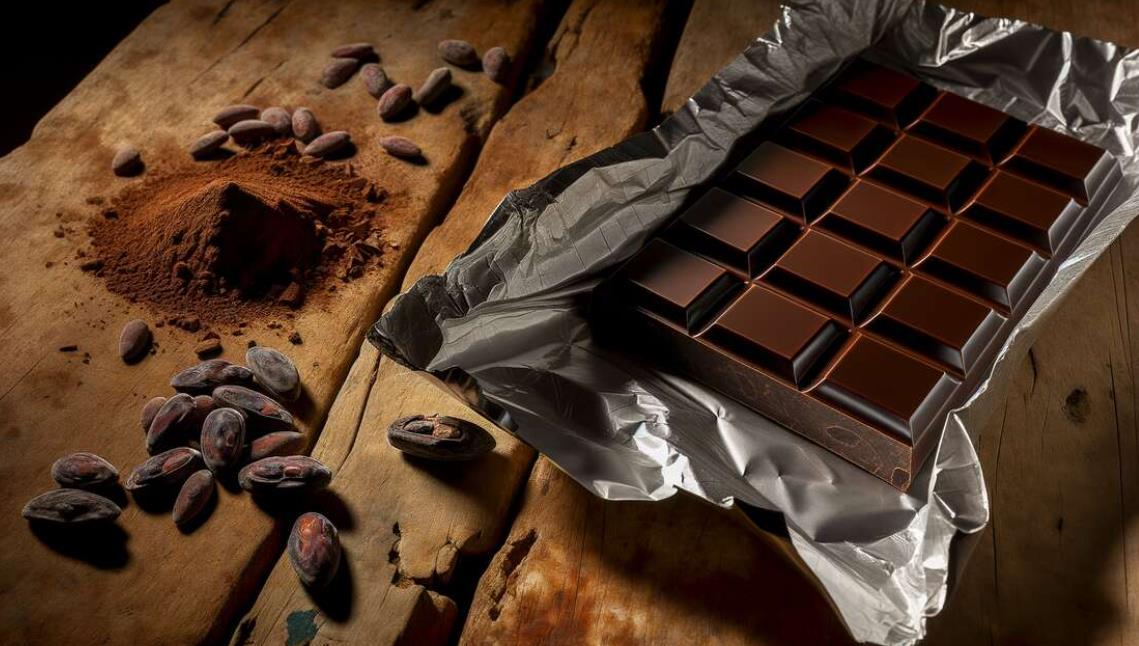
All real chocolate—except white chocolate—comes from the cacao bean, the seed of the Theobroma cacao tree. These beans undergo several processes: fermentation, drying, roasting, cracking, grinding, and finally refining. The resulting ingredients include:
1. Cocoa solids (cocoa powder)
These contain the characteristic chocolate flavor, including bitterness, fruity notes, nutty aromas, and acidity.
2. Cocoa butter
The naturally occurring fat in cacao beans. It gives chocolate its silky texture and the ability to melt smoothly at body temperature.
3. Sugar
Used to balance bitterness and adjust sweetness.
4. Milk powder or milk solids
Used only in milk and white chocolate.
5. Optional ingredients
Such as vanilla, emulsifiers, or flavorings. Premium chocolate typically keeps the ingredient list minimal.
The biggest difference among dark, milk, and white chocolate lies in how much cocoa solids and cocoa butter they contain, as well as whether milk is added.
2. Dark Chocolate: Bold, Bittersweet, Sophisticated
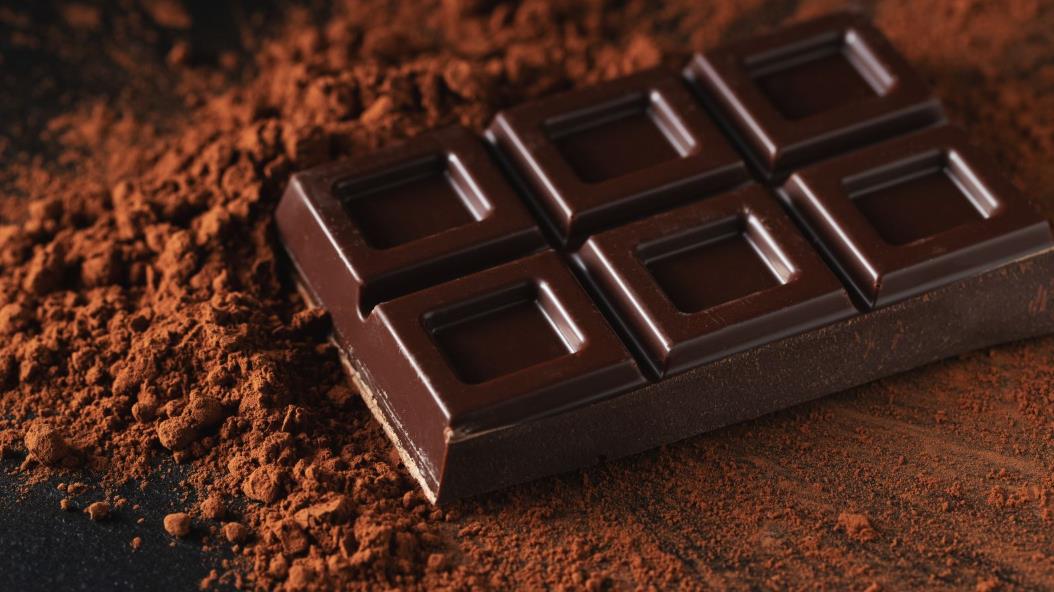
Dark chocolate is the oldest and purest form of chocolate. It is typically defined by a high percentage of cocoa solids and the absence of milk ingredients.
What Defines Dark Chocolate?
In most Western markets—including the U.S. and Europe—dark chocolate must contain:
- At least 50% cocoa content, though premium products often range from 70% to 85%, and some bars reach 90% to 100%.
- Cocoa solids + cocoa butter as the primary ingredients.
- Little to no milk, although some dark chocolate products may contain trace amounts due to shared equipment.
- Less sugar than milk or white chocolate, resulting in its signature bittersweet flavor.
Flavor Profile
Dark chocolate’s flavor varies significantly by cocoa origin, roast level, and processing style. You may encounter:
- Rich roasted notes
- Berry-like acidity (common in African and South American cacao)
- Earthy or woody undertones
- Nutty or spicy complexity
- Mild sweetness
- A long-lasting, deep finish
The flavor tends to be bold and layered, making dark chocolate popular among sophisticated palates.
Texture
Depending on the cocoa butter ratio, dark chocolate can feel:
- Firm and crisp
- Smooth when melted
- Less creamy compared to milk chocolate
- Slightly dry in very high-percentage bars
A high-quality dark chocolate bar will have a sharp, satisfying snap when broken.
Health Perception
Dark chocolate is widely believed to be the “healthiest” type, primarily because:
- It contains higher antioxidant levels from cocoa solids.
- It has less sugar than milk or white chocolate.
- Some studies suggest potential cardiovascular benefits when consumed in moderation.
However, it is still calorie-dense, so portion control matters.
Best Uses in Baking and Cooking
Dark chocolate excels in desserts where a rich flavor is essential:
- Brownies
- Chocolate tarts
- Ganache
- Chocolate mousse
- Flourless chocolate cakes
- Hot chocolate with a deep, complex aroma
Because it melts smoothly and maintains structure, dark chocolate is also ideal for dipping, coating, and making truffles.
3. Milk Chocolate: Creamy, Sweet, Universally Loved
Milk chocolate is the most popular type of chocolate worldwide. It is especially beloved in the U.S. and Europe due to its sweetness and smooth texture.
What Makes Milk Chocolate Different?
Milk chocolate includes:
- Cocoa solids
- Cocoa butter
- Milk powder or condensed milk
- Sugar
- Emulsifiers or vanilla (optional)
Most milk chocolate bars range from 20% to 40% cocoa content, though premium brands may offer 45% to 50% “dark milk chocolate,” a growing trend in Western markets.
Flavor Profile
Milk chocolate is characterized by:
- Sweet, comforting flavor
- Smooth balance between cocoa and milk
- Mildness compared to dark chocolate
- Notes of caramel, toffee, or vanilla
- A gentle melt-in-the-mouth sensation
Because the cocoa content is lower, milk chocolate tends to have fewer pronounced fruity or acidic notes.
Texture
Milk chocolate is:
- Extremely creamy
- Softer than dark chocolate
- Faster to melt
- Silky on the tongue
Thanks to its lower melting point (due to added milk fat), milk chocolate is widely used in confectionery.
Popular Uses
Milk chocolate’s mellow sweetness makes it perfect for:
- Cookies
- Chocolate bars with fillings
- Candy, bonbons, and truffles
- Milkshakes and hot chocolate
- Pastries and toppings
It’s particularly appealing to kids and anyone who prefers a gentler chocolate flavor.
4. White Chocolate: Sweet, Buttery, and Often Misunderstood
White chocolate is the most controversial type. Some people refuse to classify it as “real chocolate” because it contains no cocoa solids, the ingredient responsible for traditional chocolate flavor.
However, high-quality white chocolate has legitimate culinary value and a distinct flavor profile.
What Is White Chocolate Made Of?
White chocolate contains:
- Cocoa butter
- Milk solids or milk powder
- Sugar
- Vanilla and emulsifiers (optional)
To be legally labeled “white chocolate” in U.S. and E.U. markets, it must contain:
- At least 20% cocoa butter
- At least 14% milk solids
Lower-quality products may substitute cocoa butter with vegetable fats—these should be avoided if you want authentic white chocolate.
Flavor Profile
White chocolate is known for:
- Creamy, buttery sweetness
- Pronounced vanilla aroma
- Mild dairy notes
- Smooth melt and rich mouthfeel
Though it lacks the bitterness of cocoa solids, its sweetness can complement various ingredients beautifully.
Texture
White chocolate is:
- Softest among the three types
- Very easy to melt
- Velvety and rich
- Sensitive to heat (prone to scorching)
Best Uses
White chocolate is ideal for:
- Glazes and drizzles
- Cake decoration
- Frosting and ganache
- Truffles
- Pairing with berries or matcha
- Blonde chocolate (caramelized white chocolate)
Its sweetness makes it an excellent partner for acidic fruits or bitter flavors such as dark coffee.
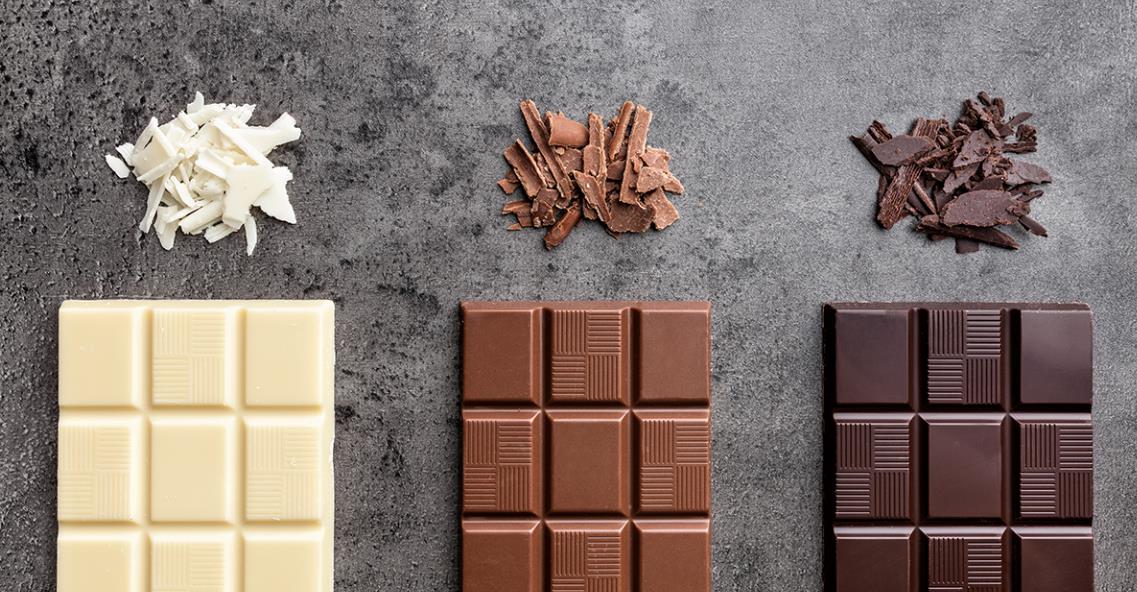
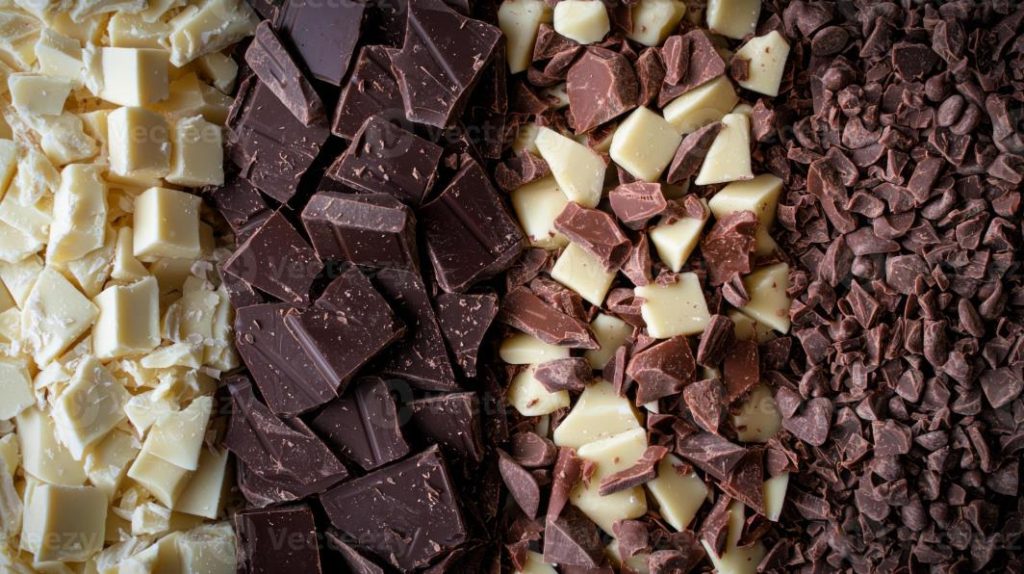
5. Side-by-Side Comparison: Dark vs. Milk vs. White Chocolate
Below is a simplified comparison to help you understand their differences at a glance.
| Feature | Dark Chocolate | Milk Chocolate | White Chocolate |
|---|---|---|---|
| Cocoa solids | High | Moderate | None |
| Cocoa butter | Moderate | Moderate | High |
| Milk | None | Yes | Yes |
| Sweetness | Low | Medium | High |
| Color | Deep brown | Light brown | Ivory/white |
| Flavor intensity | Strong, bitter | Mild, sweet | Sweet, creamy |
| Best for | Baking, gourmet desserts | Snacking, candies | Decoration, sweet desserts |
This table is great for quick reference, especially for Western readers who may be choosing chocolate for recipes or gifting.
6. Choosing the Right Chocolate: Tips for Consumers
To pick the best-quality chocolate, especially in U.S. and European markets, keep these factors in mind:
1. Keep the Ingredient List Simple
High-quality chocolate usually contains:
- Cocoa solids
- Cocoa butter
- Sugar
- Milk (if applicable)
- Vanilla
Avoid products containing artificial fats, vegetable oils, or long lists of additives.
2. Check Cocoa Percentage
Higher percentages mean:
- More intense cocoa flavor
- Less sweetness
- Firmer texture
For snacking:
- 60%–70% is a good balance.
For baking:
- 70%–85% provides the best depth.
For milk chocolate lovers:
- 30%–45% offers sweetness with flavor.
3. Consider Bean Origin
Single-origin chocolates often provide:
- Distinct regional flavors
- Higher quality control
- A unique tasting experience
Common origins include Ghana (bold), Madagascar (fruity), Ecuador (floral), and Peru (complex acidity).
4. Look for Ethical Certifications
In Western markets, sustainability matters. Look for:
- Fair Trade
- Rainforest Alliance
- Direct trade partnerships
These certifications support ethical growing practices and higher-quality cacao.
7. Which Chocolate Is Best for Baking?
Different recipes require different chocolate characteristics:
Dark chocolate is best for
- Brownies
- Mousse
- Ganache
- Flourless cakes
- Hot chocolate drinks
Milk chocolate is best for
- Cookies
- Muffins
- Candy bars
- Fudge
- Ice cream mix-ins
White chocolate is best for
- Frosting and coating
- Cheesecake swirls
- Toppings and drizzles
- Fruit dips
- Matcha pairing
If you run a chocolate shop, bakery, or cooking blog, these distinctions are especially helpful for Western readers.
8. Frequently Asked Questions (FAQ)
1. Is white chocolate really chocolate?
Legally, yes—if it contains cocoa butter. It simply lacks cocoa solids, which is why it doesn’t taste like traditional chocolate.
2. Is dark chocolate healthier?
It’s lower in sugar and higher in cocoa antioxidants, but still high in calories. Moderation is key.
3. Why do chocolate percentages matter?
They indicate how much of the bar comes from cocoa components. Higher percentages mean stronger, less sweet chocolate.
4. Why does chocolate sometimes turn white?
That’s called chocolate bloom—caused by fat or sugar crystals rising to the surface. It’s safe to eat.
5. What’s the best chocolate type for beginners?
Most Western consumers start with milk chocolate before exploring dark or white varieties.
9. Conclusion: Finding Your Perfect Chocolate
Chocolate isn’t just a sweet treat—it’s a sensory journey influenced by ingredients, craftsmanship, and personal preference. Whether you love the deep complexity of dark chocolate, the silky sweetness of milk chocolate, or the creamy comfort of white chocolate, each type has its own charm and purpose.
Understanding the differences helps you:
- Choose better chocolate
- Bake more successfully
- Appreciate flavor more deeply
- Make informed purchases in Western markets
No matter which type you choose, savoring chocolate is a simple pleasure worth celebrating.