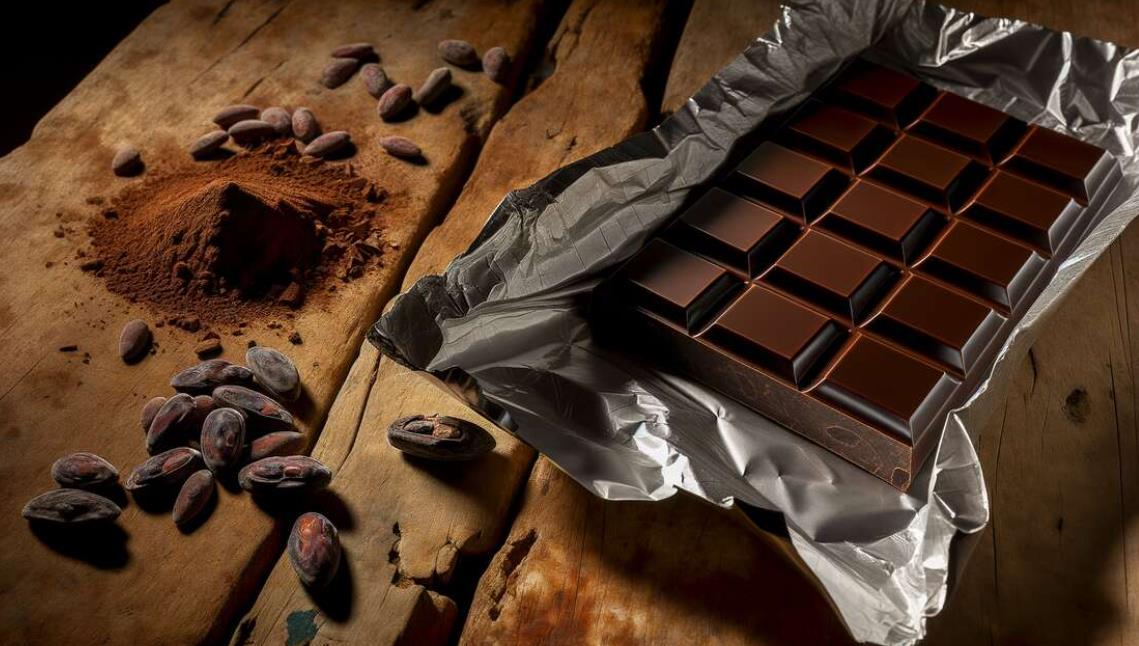


Beyond Sweetness
Chocolate, once regarded simply as a confection or indulgence, has undergone a remarkable transformation over the past two decades. In much the same way that coffee and wine evolved from everyday commodities into products of craftsmanship and origin-driven appreciation, chocolate is now being rediscovered as a complex, expressive food—one that carries the imprint of geography, agriculture, and human skill.
At the heart of this transformation lies single-origin chocolate. Increasingly featured in specialty shops, high-end restaurants, and bean-to-bar chocolate makers’ collections, single-origin chocolate invites consumers to experience cacao not as a uniform flavor, but as a reflection of place. Each bar tells a story: of soil and climate, of fermentation practices, of local cacao varieties, and of the choices made by farmers and chocolate makers along the way.
But what exactly makes single-origin chocolate unique? Why does origin matter so profoundly in cacao? And how should consumers understand and evaluate these chocolates beyond marketing claims?
This article explores single-origin chocolate from an agricultural, sensory, and ethical perspective—examining what defines it, how it differs from conventional chocolate, and why it represents a meaningful shift in how chocolate is grown, produced, and appreciated.
What Is Single-Origin Chocolate?
At its core, single-origin chocolate refers to chocolate made from cacao beans sourced from one specific geographic origin. However, the definition of “origin” can vary in scope and precision.
Single-origin may refer to:
- A single country (e.g., Peru, Madagascar, Ghana)
- A specific region within a country (e.g., Sambirano Valley in Madagascar)
- A single estate, cooperative, or farm
In contrast to industrial chocolate—which often blends cacao from multiple countries to achieve a consistent, standardized flavor—single-origin chocolate emphasizes traceability and distinction. The goal is not uniformity, but expression.
For many craft chocolate makers, single-origin sourcing is closely tied to the bean-to-bar philosophy, where chocolate is produced entirely in-house from raw cacao beans rather than from pre-made chocolate liquor or couverture. While not all single-origin chocolate is bean-to-bar, the two concepts often overlap in the specialty chocolate sector.
Why Origin Matters: The Concept of Terroir in Chocolate
The uniqueness of single-origin chocolate is best understood through the concept of terroir—a term borrowed from the wine world that describes how environmental factors influence flavor.
Terroir and Cacao
Cacao trees (Theobroma cacao) are highly sensitive to their environment. Factors such as:
- Soil composition
- Rainfall patterns
- Temperature and humidity
- Altitude
- Shade and surrounding biodiversity
all play a role in shaping the chemical composition of cacao beans, which in turn affects flavor potential.
For example:
- Madagascar cacao, particularly from the Sambirano Valley, is known for its bright acidity and red fruit notes, often reminiscent of raspberry or citrus.
- Ecuadorian cacao, especially Nacional varieties, frequently exhibits floral aromas, honeyed sweetness, and gentle nuttiness.
- Venezuelan cacao is often described as balanced and elegant, with notes of caramel, dried fruit, and soft cocoa.
- West African cacao, long associated with bulk production, can also display complexity when grown, fermented, and processed with care.
Single-origin chocolate allows these differences to remain intact rather than being diluted through blending.
Cacao Varieties: Genetics and Flavor Expression
Beyond geography, the genetic makeup of cacao trees plays a critical role in flavor development. Traditionally, cacao has been categorized into three main groups:
Criollo
- Rare and historically prized
- Lower yield, more delicate trees
- Often associated with subtle, complex flavors and low bitterness
Forastero
- Hardy, high-yield variety
- Accounts for the majority of global production
- Traditionally used in bulk chocolate, though quality varies widely
Trinitario
- Hybrid of Criollo and Forastero
- Balances resilience with flavor complexity
Modern cacao research has revealed that these broad categories oversimplify cacao genetics. In reality, there are dozens of distinct genetic populations, many tied to specific regions. Single-origin sourcing makes it possible to preserve and highlight these genetic differences, especially when farmers avoid excessive hybridization aimed solely at yield.
Post-Harvest Practices: Where Flavor Is Made or Lost
While terroir and genetics establish flavor potential, much of cacao’s final character is shaped after harvest. This stage—often overlooked by consumers—is where single-origin chocolate can truly stand apart.
Fermentation
Fresh cacao beans are surrounded by sweet pulp and must be fermented to develop flavor precursors. Fermentation:
- Reduces bitterness and astringency
- Develops aromatic compounds
- Requires careful timing and monitoring
Different regions employ different fermentation methods, such as wooden boxes, banana leaves, or heaps. Small variations can dramatically alter flavor outcomes.
Drying
Proper drying stabilizes the beans and prevents mold. Slow, even drying preserves nuanced flavors, while rushed drying can result in flat or smoky notes.
Single-origin chocolate often reflects local fermentation traditions, adding another layer of identity to the final product.
From Bean to Bar: The Chocolate Maker’s Role
Single-origin does not automatically mean high quality. The chocolate maker’s skill is equally essential.
Roasting
Roasting unlocks flavor compounds but can also destroy delicate notes if done aggressively. Many craft makers tailor roast profiles specifically to each origin, much like coffee roasters do.
Grinding and Refining
The length and method of refining affect texture and flavor release. Over-refining may mute complexity, while under-refining can leave unpleasant grittiness.
Minimal Ingredients
Single-origin chocolate typically contains:
- Cacao beans
- Cane sugar (sometimes unrefined)
- Occasionally cocoa butter from the same origin
The absence of vanilla, soy lecithin, or artificial flavorings allows the cacao’s natural character to shine.
Sensory Experience: How Single-Origin Chocolate Tastes Different
One of the most compelling reasons to explore single-origin chocolate is the sensory diversity it offers.
Rather than a generic “chocolatey” flavor, single-origin bars can express notes such as:
- Fresh or dried fruits
- Floral aromas
- Nuts and seeds
- Spices
- Earthy or mineral undertones
Texture and melt can also vary, influenced by fat composition and processing choices.
This diversity encourages mindful tasting rather than passive consumption.
How to Taste Single-Origin Chocolate
Tasting single-origin chocolate is similar to tasting wine or specialty coffee—it rewards attention.
A Simple Tasting Approach
- Observe
Look at color, sheen, and snap. - Smell
Aroma often reveals fruit, floral, or roasted notes before tasting. - Let It Melt
Allow the chocolate to melt slowly on the tongue to release flavors gradually. - Identify Flavor Progression
Notice how flavors evolve from initial taste to finish. - Assess the Finish
Quality chocolate leaves a pleasant, lingering aftertaste.
Comparing chocolates from different origins side by side is one of the best ways to understand their uniqueness.
Transparency, Ethics, and Sustainability
In Western markets, single-origin chocolate is closely linked to ethical consumption.
Traceability
Single-origin sourcing often enables:
- Clear identification of where cacao was grown
- Knowledge of farming and labor conditions
- Accountability across the supply chain
Direct Trade and Farmer Relationships
Many craft chocolate makers work directly with farmers or cooperatives, paying premiums for quality and transparency. While not a formal certification, direct trade can:
- Increase farmer income
- Encourage better post-harvest practices
- Support long-term partnerships
Environmental Considerations
Cacao grown in biodiverse agroforestry systems helps:
- Preserve ecosystems
- Improve soil health
- Increase resilience to climate change
Single-origin chocolate, when responsibly sourced, can support these practices.
Challenges and Limitations of Single-Origin Chocolate
Despite its appeal, single-origin chocolate is not without challenges.
Inconsistent Quality
Smaller harvests and natural variability can lead to year-to-year differences, which some consumers may find unfamiliar.
Higher Costs
Paying farmers fairly, producing small batches, and maintaining traceability increase costs, reflected in higher retail prices.
Misuse of the Term
Not all chocolate labeled “single-origin” offers true transparency. Some use country-level sourcing without meaningful engagement or quality differentiation.
Educated consumers and responsible brands play a crucial role in maintaining the integrity of the category.
Single-Origin Chocolate in the Broader Food Culture
Single-origin chocolate represents a broader shift in how food is valued:
- From anonymous commodity to identifiable origin
- From price-driven production to quality-driven craftsmanship
- From passive consumption to conscious appreciation
It aligns with movements such as:
- Specialty coffee
- Natural wine
- Artisan cheese
- Farm-to-table dining
In each case, flavor becomes a gateway to understanding culture, agriculture, and sustainability.
A Chocolate That Tells a Story
Single-origin chocolate is more than a trend—it is a redefinition of what chocolate can be. By preserving the identity of place, honoring agricultural knowledge, and embracing craftsmanship, it offers a richer, more honest expression of cacao.
For consumers, it provides an opportunity to slow down, taste more attentively, and engage with the origins of what they eat. For farmers and makers, it offers a pathway toward recognition, fairer value, and long-term sustainability.
In a world increasingly shaped by mass production, single-origin chocolate stands as a reminder that flavor, like culture, is deeply rooted in place—and that every bar has a story worth tasting.