
In the modern world of wealth, value is no longer measured solely by financial return. For high-net-worth individuals, true value lies at the intersection of craftsmanship, scarcity, long-term appreciation, and personal meaning. Fine wine, rare watches, art collections, and private real estate have long occupied this space. Increasingly, however, fine chocolate is joining their ranks.
Once considered a simple indulgence, premium chocolate has evolved into a refined asset that reflects taste, cultural awareness, and strategic lifestyle choices. Today, it intersects with luxury living, alternative investments, health optimization, and sustainable finance, making it particularly appealing to discerning consumers and sophisticated investors alike.
This article explores how chocolate has transformed from a commodity into a symbol of modern wealth—and why it now holds a legitimate place in the high-net-worth lifestyle.
From Commodity to Craft: The Transformation of Chocolate
For much of its history, chocolate was defined by industrial efficiency rather than excellence. Mass production emphasized affordability, uniform flavor, and extended shelf life. The result was accessibility—but at the cost of character.
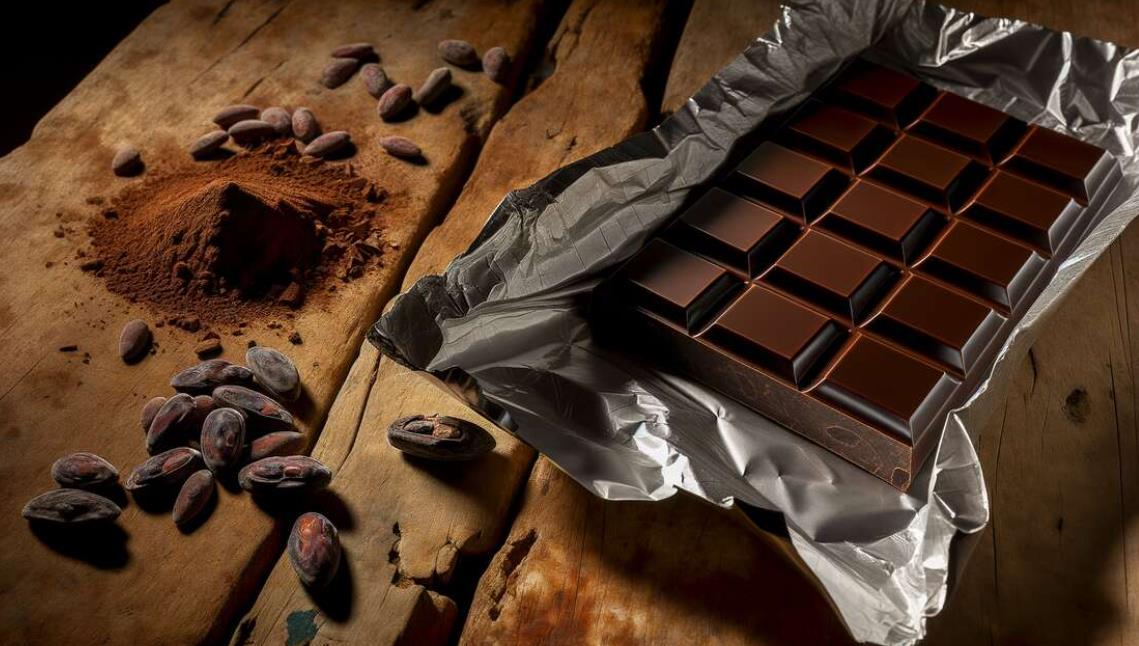
Over the past two decades, this paradigm has shifted dramatically. Inspired by movements in wine, coffee, and spirits, a new generation of chocolate makers has focused on craft, origin, and transparency.
Key elements of this transformation include:
- Single-origin cacao, sourced from specific regions with distinct flavor profiles
- Small-batch, artisanal production methods
- Minimal processing to preserve natural characteristics
- Limited releases that emphasize rarity over volume
Just as a Grand Cru wine reflects its terroir, fine chocolate expresses the soil, climate, and genetics of cacao grown in regions such as Ecuador, Madagascar, or Venezuela. For affluent consumers accustomed to premium brands and bespoke experiences, this evolution redefined chocolate as something worth collecting, gifting, and even investing in.
Chocolate and the Language of Luxury
Luxury is not defined by excess; it is defined by intention. In high-end markets, products succeed not because they are expensive, but because they tell a compelling story rooted in heritage, expertise, and restraint.
Fine chocolate now speaks this language fluently.
Leading premium chocolate brands emphasize:
- Deep relationships with cacao growers
- Ethical and sustainable sourcing practices
- Mastery of fermentation and aging processes
- Thoughtful design and understated packaging
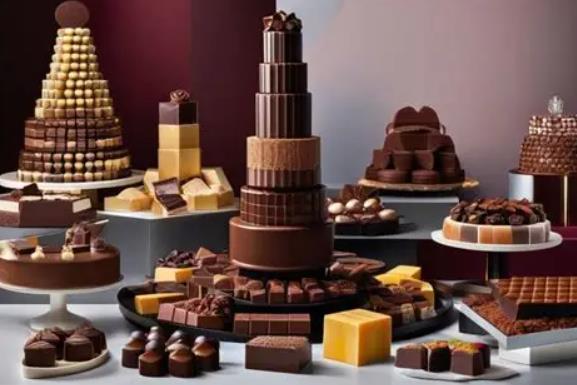
In elite social circles, fine chocolate increasingly appears alongside private wine tastings, invitation-only culinary events, and members-only experiences. It is no longer treated as a casual dessert, but as a cultural artifact—one that communicates refinement without ostentation.
Chocolate as an Alternative Asset
One of the most intriguing developments in recent years is chocolate’s emergence within the broader category of alternative investments.
High-net-worth individuals continually seek assets that offer diversification, tangible value, and insulation from traditional market volatility. Fine chocolate meets these criteria in several compelling ways.
Scarcity of High-Quality Cacao
Climate change, aging cacao trees, and limited arable land have placed increasing pressure on global cacao supply. Heritage cacao varieties—valued for their complexity and flavor—are particularly scarce.
As demand for premium chocolate grows, access to exceptional cacao becomes a strategic advantage, driving long-term value across the supply chain.
Controlled Production and Limited Supply
Unlike mass-market brands, luxury chocolate producers often intentionally limit output. Small production runs preserve quality and exclusivity, creating scarcity similar to limited-edition spirits or rare watches.
Growing Global Demand
Affluent consumers across North America, Europe, and emerging luxury markets are showing increased interest in premium food assets. This demand is driven not only by taste, but by a desire for authenticity, transparency, and craftsmanship.
For investors focused on portfolio diversification and long-term positioning, chocolate-related assets—whether through specialty brands, cacao land ownership, or collectible releases—represent a niche but increasingly relevant opportunity.
Health Optimization and Executive Performance
Among high-performing professionals, health is no longer viewed as a personal matter—it is a strategic asset. Cognitive clarity, sustained energy, and stress resilience directly influence decision-making and leadership effectiveness.
The Functional Value of Dark Chocolate
High-quality dark chocolate, particularly varieties rich in flavanols, has been associated with:
- Cardiovascular support
- Reduced inflammation
- Enhanced blood flow to the brain
- Improved mood and focus
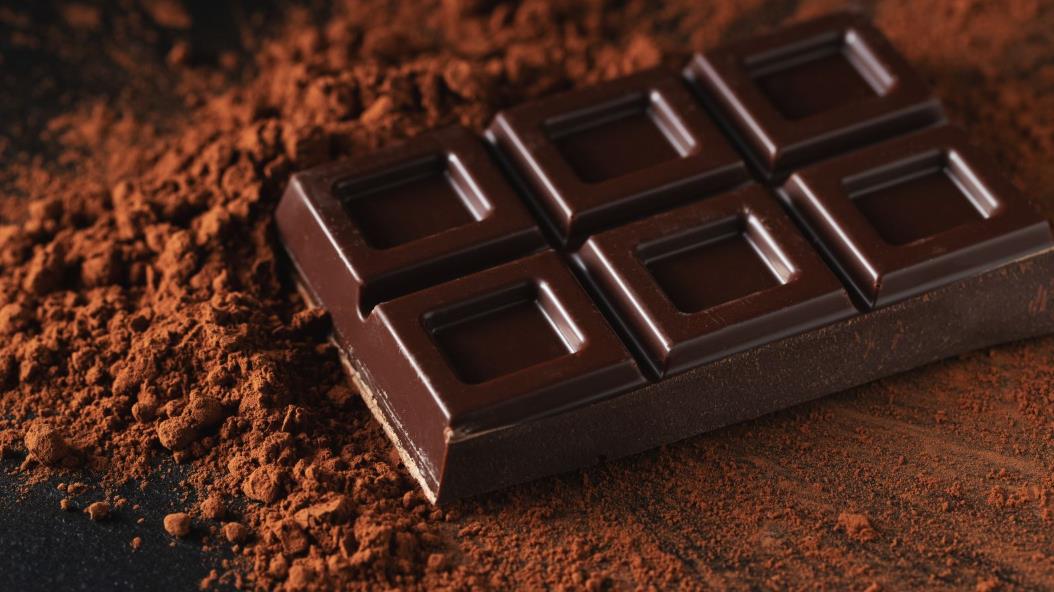
Unlike heavily processed confections, minimally processed dark chocolate retains these compounds, making it relevant to executive wellness, preventive health strategies, and longevity-focused lifestyles.
Within this framework, chocolate is not consumed mindlessly. It is selected intentionally, much like supplements or functional foods, reinforcing the idea that luxury and health are not mutually exclusive.
Sustainable Chocolate and ESG-Driven Wealth
Sustainability has become a defining pillar of modern wealth. Environmental, Social, and Governance (ESG) considerations increasingly influence investment decisions, brand loyalty, and lifestyle choices.
Ethical Sourcing as a Value Signal
Luxury chocolate brands often lead the industry in:
- Direct trade relationships with farmers
- Fair compensation models
- Environmentally responsible cultivation
- Long-term investment in cacao communities
For high-net-worth individuals aligned with ESG investing and impact-driven capital, these practices matter. Choosing sustainably produced chocolate reflects not only ethical awareness, but a commitment to long-term global stability.
In this context, chocolate becomes a subtle but powerful expression of values—demonstrating that responsible choices can coexist with indulgence.
Chocolate as a Strategic Gift in Elite Circles
In high-level business and social environments, gifting is a nuanced art. The most effective gifts communicate appreciation, discernment, and respect—without excess.
Fine chocolate has emerged as a preferred option for:
- Executive and corporate gifting
- Private client relationship building
- High-end holiday and event gifts
- Invitation-only gatherings
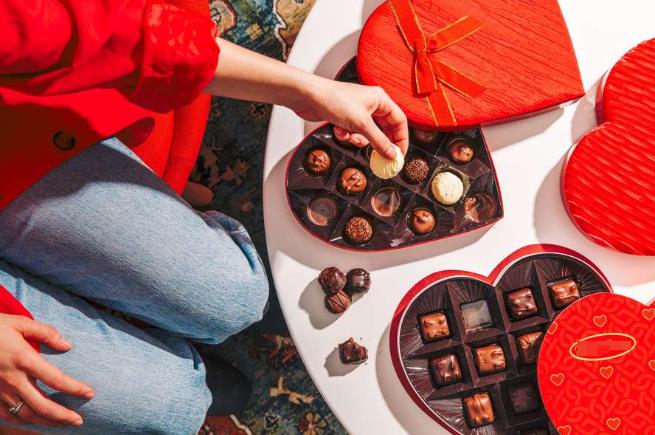
Its appeal lies in its balance: universally appreciated, yet capable of deep personalization through origin, flavor, and presentation. Unlike traditional luxury goods, chocolate offers emotional resonance without the burden of permanence, making it both elegant and practical.
Experiential Luxury: Chocolate and High-End Travel
Modern luxury increasingly prioritizes experiences over possessions. Within this shift, chocolate has become a gateway to exclusive cultural and culinary journeys.
Examples of high-end chocolate experiences include:
- Private visits to cacao plantations
- Guided tastings led by master chocolatiers
- Invitation-only workshops in Switzerland or Belgium
- Curated culinary travel experiences
These offerings align seamlessly with luxury travel, bespoke itineraries, and high-end hospitality, appealing to affluent individuals who value depth, storytelling, and personal connection.
Chocolate and Lifestyle Design
For high-net-worth individuals, wealth is not merely accumulated—it is designed. Every aspect of life, from health and travel to consumption and philanthropy, reflects a broader philosophy.
Fine chocolate fits naturally into this ecosystem. It is:
- A cultural asset
- A mindful indulgence
- A reflection of ethical priorities
- A medium for social connection
Like art or wine, it occupies the space where pleasure and meaning intersect.
Risks and Considerations
Despite its appeal, chocolate-related assets are not without risk. Key considerations include:
- Storage and preservation requirements
- Brand longevity and credibility
- Market liquidity
- Supply chain transparency
As with any alternative asset, informed decision-making and long-term perspective are essential. Chocolate rewards discernment—not speculation.
The Future of Chocolate in Affluent Markets
Looking ahead, several trends are likely to shape chocolate’s role in high-net-worth lifestyles:
- Greater integration into luxury wellness narratives
- Expansion of cacao-focused impact investments
- Continued premiumization and limited releases
- Increased emphasis on provenance and sustainability
As luxury consumption becomes more intentional and values-driven, chocolate’s relevance will only grow.
Chocolate as a Reflection of Modern Wealth
The rise of fine chocolate mirrors the evolution of wealth itself. Today’s luxury is quieter, more thoughtful, and deeply connected to values.
For high-net-worth individuals, chocolate represents:
- Taste informed by knowledge
- Wealth expressed through responsibility
- Pleasure balanced with purpose
In an era where assets must tell a story, fine chocolate offers one that is rich, complex, and enduring.