
Chocolate as a Pairing Medium
For centuries, chocolate has been regarded primarily as a confection — indulgent, comforting, and sweet. Yet in recent decades, chocolate has undergone a profound transformation in the culinary world. Much like wine, coffee, or tea, fine chocolate is now recognized as a complex, terroir-driven product capable of expressing nuanced flavors, aromas, and textures.
The rise of single-origin chocolate, bean-to-bar craftsmanship, and high-cocoa formulations has elevated chocolate from a dessert ingredient to a sophisticated pairing medium. Today, pairing chocolate with wine, coffee, tea, and spirits is not merely about indulgence, but about sensory balance, contrast, and amplification.
This article provides a professional, structured exploration of chocolate pairings, focusing on wine, coffee, tea, and selected spirits. Designed for a Western audience with an appreciation for gastronomy, it offers both foundational knowledge and advanced pairing insights suitable for enthusiasts and professionals alike.
Understanding Chocolate: The Foundation of Successful Pairings
Before exploring pairings, it is essential to understand the fundamental characteristics of chocolate itself. Pairing success depends not on guesswork, but on a deep appreciation of chocolate’s intrinsic properties.
Cocoa Content and Chocolate Types
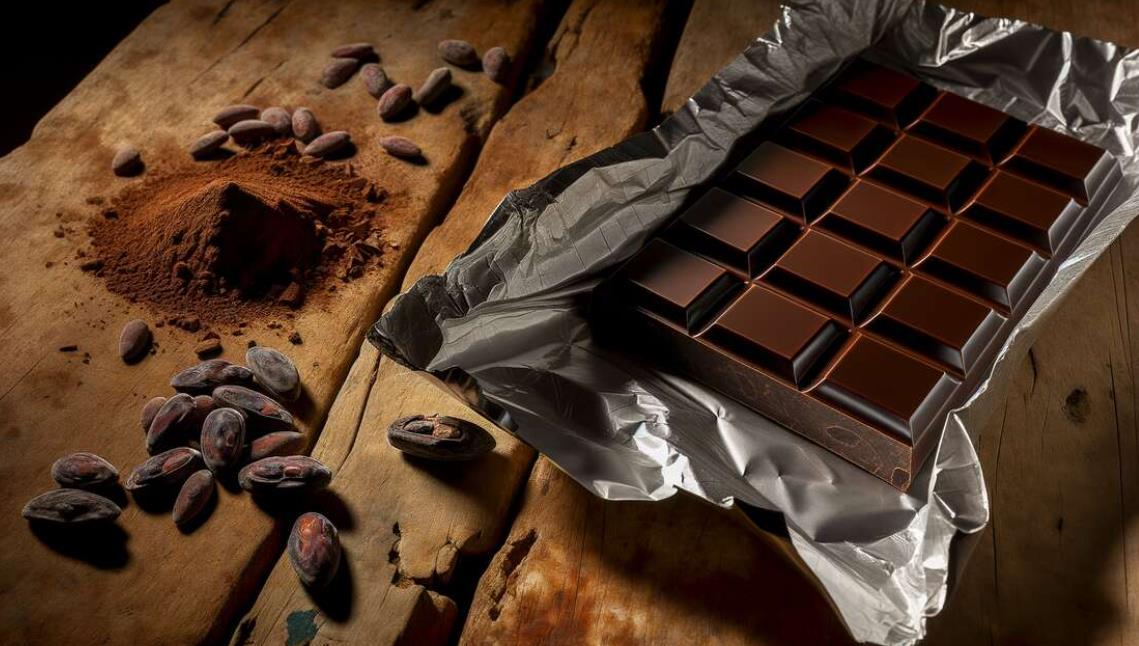
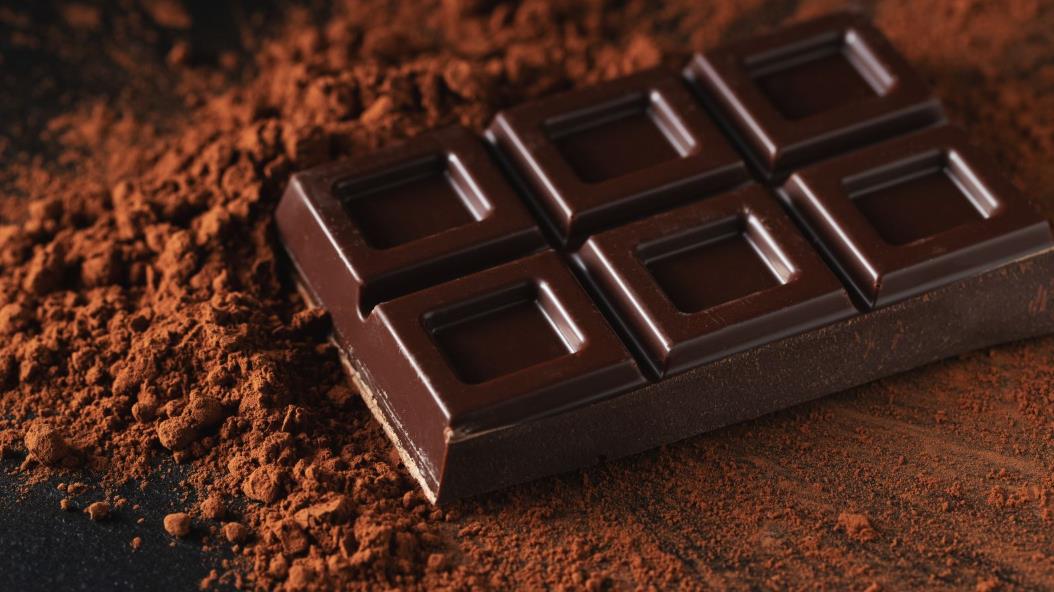
Chocolate is typically classified by cocoa percentage, which refers to the combined amount of cocoa solids and cocoa butter.
- Dark Chocolate (70–100%)
Characterized by bitterness, acidity, and intense cocoa flavor. Often features fruity, earthy, floral, or spicy notes. - Milk Chocolate (30–50%)
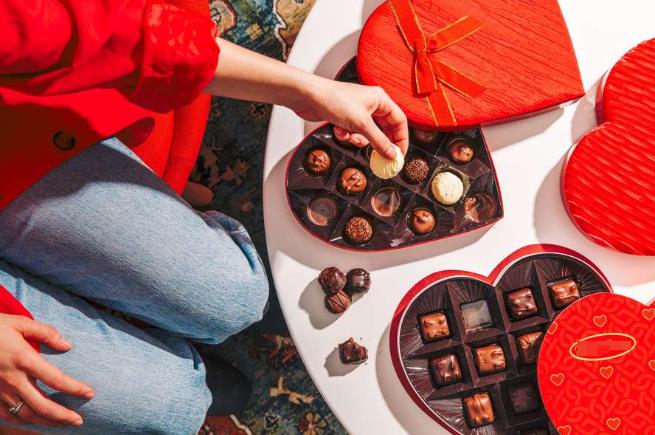
Creamier and sweeter due to milk solids and sugar. Flavor notes often include caramel, toffee, nuts, and malt. - White Chocolate (0% cocoa solids)
Made from cocoa butter, sugar, and milk. Lacks cocoa bitterness but offers rich, buttery sweetness and vanilla notes.
Higher cocoa content generally increases bitterness, intensity, and dryness, all of which directly affect pairing choices.
Flavor Notes and Origin Influence
Like wine and coffee, chocolate expresses flavors influenced by origin, genetics, and processing.
Common flavor categories include:
- Fruity: red berries, citrus, dried fruit
- Nutty: almond, hazelnut, peanut
- Earthy: leather, tobacco, forest floor
- Spicy: cinnamon, clove, chili
- Sweet: caramel, honey, vanilla
Understanding these flavor families allows pairings to be built on either complementarity or contrast.
Texture, Mouthfeel, and Finish
Chocolate’s high cocoa butter content gives it a distinctive melting profile. Its interaction with beverages depends heavily on:
- Fat content
- Melting temperature
- Length of finish
Fat can soften tannins, enhance aromatics, and prolong flavor perception — a crucial factor in pairing alcoholic beverages.
Principles of Chocolate Pairing
Professional chocolate pairing follows several universal principles:
- Match Intensity
Neither element should overpower the other. - Balance Sweetness
The beverage should be equally or more sweet than the chocolate. - Respect Bitterness and Tannins
Excessive tannins can clash with cocoa bitterness. - Consider Texture and Temperature
Warm beverages amplify aromas; cold beverages emphasize contrast.
These principles apply across all pairing categories.
Chocolate and Wine Pairings
Why Chocolate and Wine Are Challenging
Chocolate and wine are both complex, tannic, and aromatic, making them difficult but rewarding to pair. The most common mistake is pairing dry wine with sweet chocolate, resulting in exaggerated bitterness and acidity.
The key rule:
Wine must be at least as sweet as the chocolate.
Dark Chocolate and Wine
High-cocoa dark chocolate pairs best with fortified or rich wines.
Recommended Pairings:
- 70–85% Dark Chocolate + Port (Ruby or Tawny)
The sweetness and alcohol soften cocoa bitterness while enhancing dried fruit notes. - Single-Origin Fruity Dark Chocolate + Banyuls
Both share red fruit and spice characteristics. - Intense Dark Chocolate + Amarone della Valpolicella
Dried cherry, fig, and cocoa resonate harmoniously.
Avoid highly tannic red wines such as young Cabernet Sauvignon, which tend to clash.
Milk Chocolate and Wine
Milk chocolate’s sweetness and creaminess make it more versatile.
Recommended Pairings:
- Milk Chocolate + Pinot Noir
Soft tannins and red fruit notes complement caramel and dairy flavors. - Milk Chocolate with Nuts + Merlot
Round texture and plum notes enhance nutty sweetness.
White Chocolate and Wine
White chocolate pairs best with aromatic and dessert wines.
Recommended Pairings:
- White Chocolate + Moscato d’Asti
Floral sweetness and gentle acidity balance cocoa butter richness. - White Chocolate + Ice Wine
High sweetness and acidity create a luxurious contrast.
Chocolate and Coffee Pairings
Shared Origins, Shared Complexity
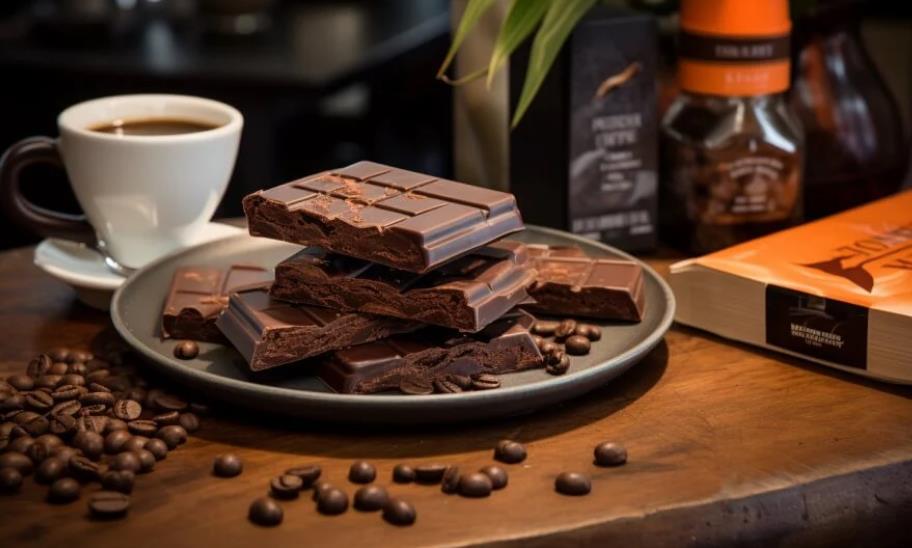
Chocolate and coffee share botanical roots, roasting processes, and flavor descriptors. When paired thoughtfully, they can amplify each other’s complexity rather than compete.
Roast Level as a Pairing Guide
- Light Roast Coffee
Bright acidity and fruit notes
→ Pair with fruity dark chocolate (e.g., Madagascar, Ecuador) - Medium Roast Coffee
Balanced acidity and sweetness
→ Pair with milk chocolate or caramel-forward dark chocolate - Dark Roast Coffee
Smoky, bitter, intense
→ Pair with high-cocoa or spiced chocolate
Example Pairings
- Ethiopian Yirgacheffe + Raspberry-Note Dark Chocolate
Floral acidity highlights fruitiness. - Brazilian Natural Coffee + Milk Chocolate with Toffee
Nutty profiles reinforce sweetness.
Avoid pairing overly bitter coffee with delicate chocolate, as bitterness compounds quickly.
Chocolate and Tea Pairings
Tea as an Underrated Pairing Partner
Tea offers remarkable pairing potential due to its diversity, moderate alcohol-free structure, and nuanced aromatics.
Black Tea
Characteristics: robust, tannic, malty
Pairings:
- Assam + milk chocolate
- Earl Grey + orange-infused dark chocolate
Green Tea and Matcha
Characteristics: vegetal, umami, fresh
Pairings:
- Sencha + white chocolate
- Matcha + creamy milk chocolate
The sweetness of chocolate softens green tea bitterness.
Oolong Tea
Characteristics: floral, roasted, complex
Pairings:
- Medium-dark chocolate with nutty notes
- Lightly oxidized oolong + fruity dark chocolate
Herbal and Flavored Teas
Mint, chamomile, and rooibos pair well with flavored or spiced chocolates, offering aromatic harmony without tannin conflict.
Chocolate and Spirits: Beyond the Classics
Whisky and Chocolate
- Peated Scotch + 85% Dark Chocolate
Smoke meets bitterness in dramatic contrast. - Bourbon + Milk Chocolate
Vanilla and caramel notes align beautifully.
Rum and Chocolate
- Aged Rum + Milk or Dark Chocolate
Molasses sweetness and spice enhance cocoa richness.
Cognac and Brandy
Nutty, dried fruit profiles complement high-quality dark chocolate, especially with almond or hazelnut notes.
Common Pairing Mistakes to Avoid
- Pairing dry wine with sweet chocolate
- Overpowering subtle chocolate with strong spirits
- Ignoring temperature and portion size
- Assuming darker chocolate always equals better pairing
Professional pairing requires restraint and intention.
How to Host a Professional Chocolate Pairing Tasting
- Start with lighter chocolates
- Progress toward higher cocoa percentages
- Serve beverages in small portions
- Cleanse the palate with water or neutral crackers
- Encourage mindful tasting
This structured approach enhances sensory clarity.
Chocolate Pairing as an Evolving Art
Chocolate pairing is both a science and an art. While foundational principles guide successful matches, personal preference, cultural context, and experimentation remain essential. As chocolate continues to gain recognition as a fine food, its role in pairing experiences will only expand.
Whether paired with wine, coffee, tea, or spirits, chocolate offers an extraordinary canvas for sensory exploration — inviting us to taste more slowly, more thoughtfully, and with greater appreciation.