
From Commodity to Origin Expression
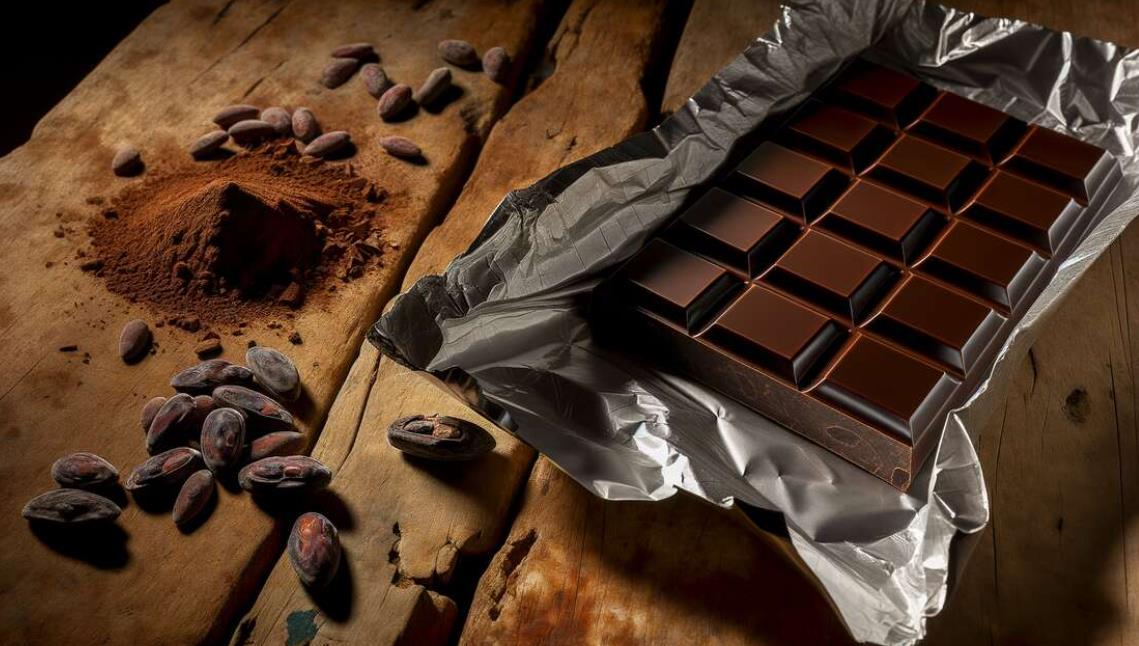
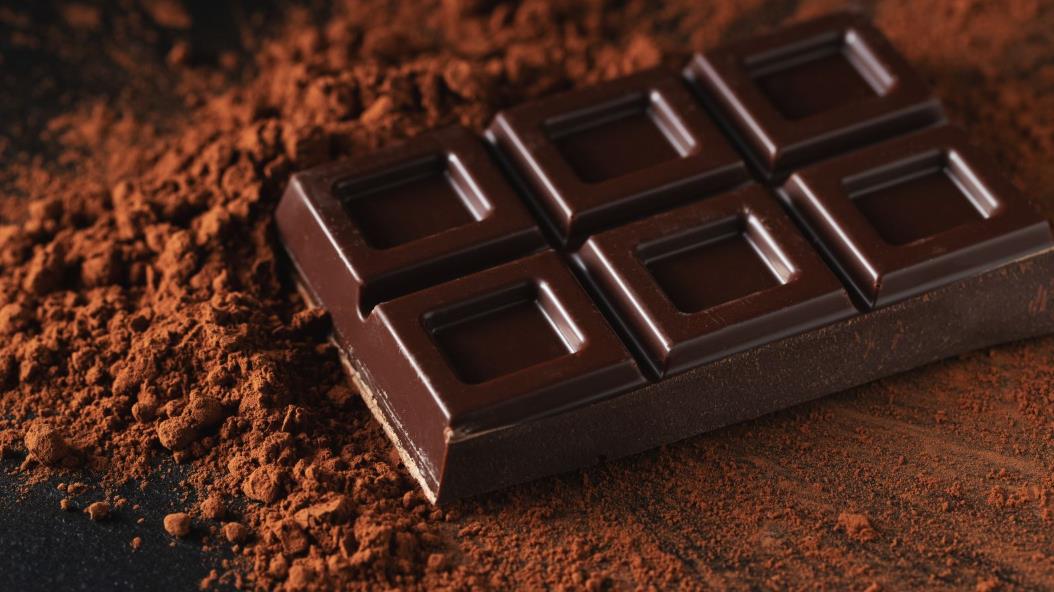
For much of the 20th century, chocolate was treated primarily as a commodity. Cocoa beans from vastly different parts of the world were blended together, processed at scale, and transformed into products where consistency mattered more than character. Flavor, when discussed at all, was something added—through sugar, milk, vanilla, or emulsifiers—rather than something inherent to the cocoa itself.
Over the past two decades, this perception has changed dramatically. Inspired by developments in specialty coffee, fine wine, and craft spirits, chocolate makers and consumers alike have begun to view cocoa not merely as a raw material, but as an agricultural product with a distinct sense of place. Terms such as single-origin, fine flavor cocoa, and bean-to-bar have entered the mainstream vocabulary of the chocolate world. At the heart of this shift lies a fundamental idea: geography shapes flavor.
Just as the same grape variety can yield vastly different wines depending on where it is grown, cocoa beans express unique sensory profiles based on their environment. Climate, soil, altitude, genetics, and human practices combine to form what the industry increasingly describes as cocoa terroir. Understanding the world’s major cocoa-growing regions is therefore essential for anyone seeking to grasp why chocolate tastes the way it does—and why origin matters more today than ever before.
This article explores the world’s top cocoa regions and examines how geography influences chocolate flavor, from the robust foundations of West Africa to the aromatic complexity of Latin America and the distinctive profiles emerging from Southeast Asia and the Pacific.
The Foundations of Cocoa Flavor: Geography and Terroir
Before examining individual regions, it is important to understand the mechanisms through which geography affects cocoa flavor. Cocoa flavor is not created at a single point in the value chain; rather, it develops gradually through the interaction of environmental and human factors.
Climate and Latitude
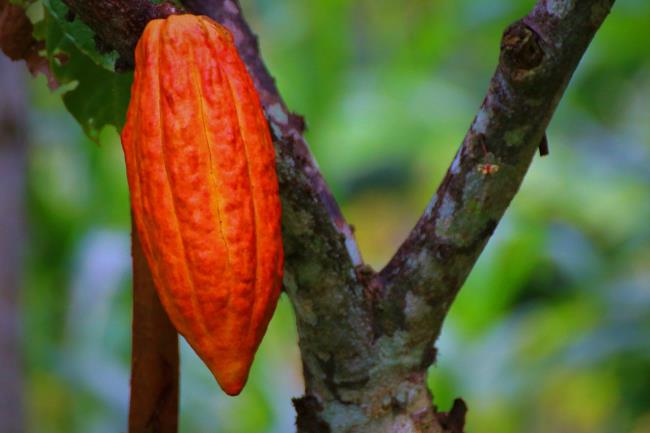
Cocoa grows within a narrow equatorial band roughly 20 degrees north and south of the Equator. Within this zone, however, climatic conditions vary significantly. Temperature stability, rainfall patterns, humidity levels, and seasonal variation all influence pod development and bean chemistry.
Regions with evenly distributed rainfall and minimal temperature fluctuations tend to produce cocoa with more consistent fermentation behavior. In contrast, areas with pronounced wet and dry seasons may yield beans with brighter acidity or more pronounced fruit notes.
Soil Composition
Soil plays a critical role in supplying nutrients that affect plant health and the formation of flavor precursors. Volcanic soils, common in parts of Latin America and Southeast Asia, are often rich in minerals and well-draining, contributing to complex flavor development. Alluvial and lateritic soils, more common in West Africa, support high yields but often produce more straightforward flavor profiles.
Altitude and Microclimate
Although cocoa is traditionally considered a lowland crop, altitude can significantly influence flavor. Higher elevations slow bean maturation, often leading to increased acidity and aromatic complexity. Microclimates created by mountains, rivers, and forests further differentiate flavor even within small geographic areas.
Genetics: Cocoa Varieties
The three broad genetic groups—Forastero, Criollo, and Trinitario—are unevenly distributed across regions. While genetics alone do not determine flavor, they set important parameters for potential sensory outcomes. Many regions now cultivate localized hybrids or heirloom varieties that contribute to distinctive regional identities.
Human Factors and Regional Practices
Fermentation and drying methods are not purely geographic, but they are deeply shaped by local tradition, climate, and infrastructure. As a result, post-harvest practices tend to be regionally consistent, reinforcing geographic flavor patterns over time.
West Africa: The Structural Backbone of Global Chocolate
Overview and Importance
West Africa dominates global cocoa production, accounting for approximately 70% of the world’s supply. Côte d’Ivoire and Ghana alone represent the majority of this output, with Nigeria and Cameroon also playing significant roles. This region forms the structural backbone of the global chocolate industry.
Geography and Growing Conditions
West African cocoa is typically grown at low altitudes under hot, humid conditions with relatively stable temperatures year-round. Rainfall is abundant, though increasingly unpredictable due to climate change. Soils are often lateritic—iron-rich, weathered, and suitable for large-scale cultivation.
The region primarily grows Forastero-type cocoa, prized for its resilience and high yields rather than aromatic complexity.
Typical Flavor Profile
Chocolate made from West African cocoa is generally characterized by:
- Strong, classic cocoa intensity
- Low to moderate acidity
- Notes of roasted nuts, wood, and mild bitterness
- A solid, reliable structure
These attributes make West African cocoa highly versatile and essential in blends. Even many fine chocolate makers rely on West African beans as a base to provide depth and body.
Market Position and Perception
In the fine chocolate world, West African cocoa is sometimes undervalued due to its association with mass production. However, recent initiatives focusing on improved fermentation, farmer education, and traceability have revealed that high-quality, single-origin West African cocoa can deliver clean, balanced, and elegant chocolate.
Rather than being flavor-neutral, West African cocoa excels at providing structure—much like a foundational grape variety in wine blends.
Latin America: The Birthplace of Cocoa and the Home of Complexity
Historical Significance
Latin America is widely regarded as the cradle of cacao domestication. Indigenous cultures in the Amazon basin and Mesoamerica cultivated and consumed cacao long before European contact. Today, this region remains synonymous with fine flavor cocoa.
Ecuador: Floral Elegance and Nacional Heritage
Ecuador is one of the most influential cocoa origins in the fine chocolate market, largely due to its Nacional variety, often referred to as Arriba.
Geographic Factors
- Coastal plains influenced by Pacific breezes
- Volcanic soils enriched by Andean geology
- River systems creating fertile alluvial zones
Flavor Profile
- Distinct floral aromas (jasmine, orange blossom)
- Honey and sweet spice notes
- Soft acidity and lingering finish
Ecuadorian cocoa is often immediately recognizable and is frequently used by high-end chocolate makers seeking aromatic complexity without aggressive acidity.
Venezuela: Depth, Balance, and Prestige
Despite relatively low production volumes, Venezuela has achieved near-mythical status in the chocolate world.
Geographic Factors
- Mountain ranges creating diverse microclimates
- Coastal humidity balanced by elevation
- Isolated valleys preserving heirloom varieties
Flavor Profile
- Balanced cocoa richness
- Red fruit, dried fruit, and nutty undertones
- Low bitterness and rounded mouthfeel
Venezuelan cocoa is often described as luxurious and harmonious, making it highly sought after for premium single-origin bars.
Peru and Colombia: Bright Acidity and Biodiversity
Both Peru and Colombia have emerged as dynamic players in the fine cocoa market, leveraging biodiversity and post-conflict agricultural development.
Common Flavor Characteristics
- Bright, citrus-like acidity
- Red and tropical fruit notes
- Herbal or floral accents
These profiles reflect high-altitude growing conditions, diverse genetics, and increasingly sophisticated fermentation techniques.
The Caribbean: Balance, Cleanliness, and Consistency
Regional Overview
Caribbean cocoa-producing nations such as the Dominican Republic, Grenada, and Trinidad & Tobago occupy a unique middle ground between Latin America and West Africa in both geography and flavor.
Geographic Influences
Island environments provide natural temperature moderation due to surrounding seas. Soils are often volcanic, and rainfall is frequent but moderated by trade winds.
Flavor Profile
Caribbean cocoa is known for:
- Clean, well-balanced flavor
- Mild fruit acidity
- Nutty and caramelized notes
- Low bitterness and smooth texture
These qualities make Caribbean cocoa particularly attractive to chocolate makers seeking approachability and consistency in single-origin offerings.
Southeast Asia and the Pacific: Bold Profiles and Emerging Identity
Indonesia: Earthy and Intense
Indonesia is one of the largest cocoa producers outside Africa, with Sulawesi being the most prominent growing area.
Geographic Factors
- Tropical island climate
- Volcanic soils
- High humidity influencing fermentation
Flavor Profile
- Earthy, woody notes
- Smoky and spicy characteristics
- Dark fruit and umami-like depth
Indonesian cocoa can be polarizing, but when well-processed, it offers a powerful and distinctive profile that appeals to adventurous palates.
Papua New Guinea: Fruit-Forward and Wild
Papua New Guinea represents one of the most exciting origins for craft chocolate.
Flavor Profile
- Bright tropical fruit notes (pineapple, mango)
- High acidity balanced by sweetness
- Clean fermentation when carefully managed
Isolation, biodiversity, and traditional farming methods contribute to its unique sensory character.
How Chocolate Makers Translate Origin into Flavor
Geography provides potential, but chocolate makers determine how that potential is expressed. Roasting, grinding, and conching choices can amplify or mute origin characteristics.
Skilled makers treat roasting as an act of interpretation rather than transformation. A light roast may highlight acidity and floral notes, while a darker roast emphasizes cocoa intensity and reduces regional distinctions.
Single-origin chocolate showcases geography most clearly, particularly in dark chocolate with high cocoa percentages. In contrast, blends allow makers to construct desired profiles by combining strengths from multiple regions.
Consumer Trends and the Growing Importance of Origin
Western consumers are increasingly interested in transparency, traceability, and authenticity. Origin labeling now carries both ethical and sensory significance.
Key trends include:
- Demand for single-origin and estate-specific chocolate
- Interest in farmer stories and regional identity
- Alignment between flavor exploration and sustainability values
As consumers learn to recognize regional flavor signatures, geography becomes not just a point of information, but a source of pleasure and meaning.
Geography as the Soul of Chocolate
Chocolate flavor is not accidental. It is shaped by landscapes, climates, soils, and human traditions that span continents and centuries. From the structural depth of West Africa to the aromatic elegance of Latin America and the bold individuality of Southeast Asia, each cocoa region contributes a distinct voice to the global chocolate conversation.
Understanding these regions allows us to taste chocolate more attentively and value it more deeply—not only as a confection, but as an agricultural and cultural expression. As the fine chocolate movement continues to mature, geography will remain central, reminding us that every bar of chocolate carries within it the imprint of the place where it began.