
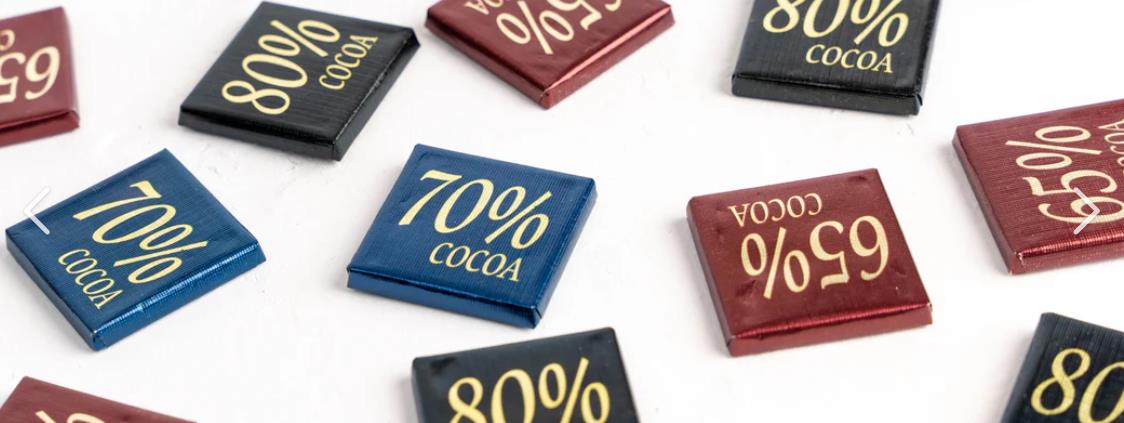
Chocolate is one of the world’s most beloved indulgences, enjoyed for its rich flavors, smooth textures, and the comforting emotions it evokes. But if you’ve ever walked down the chocolate aisle in a supermarket or perused an online chocolate shop, you’ve likely noticed the numbers on chocolate bars: 70%, 80%, 90%. These numbers indicate the cocoa content of the chocolate, but what do they really mean? Beyond simply reflecting sweetness or bitterness, cocoa percentage reveals important insights into flavor, texture, health benefits, and culinary uses. This article explores the nuances of cocoa percentages and guides chocolate lovers in making informed choices.
What Does Cocoa Percentage Actually Mean?
Cocoa percentage refers to the proportion of a chocolate bar that comes directly from the cacao bean. This includes cocoa solids (which consist of cocoa powder) and cocoa butter (the fat component of the bean). Understanding this distinction is crucial, as the balance of cocoa solids, cocoa butter, and sugar directly affects the taste, mouthfeel, and nutritional profile of the chocolate.
- Cocoa Solids: These are the non-fat components of the cacao bean, including flavonoids and other compounds that contribute to chocolate’s flavor and color.
- Cocoa Butter: The natural fat from the cacao bean that gives chocolate its smooth texture, glossy finish, and melt-in-your-mouth quality.
- Sugar and Other Additives: As cocoa percentage increases, sugar content usually decreases, making higher-percentage chocolates more bitter but lower in added sugar.
It is important to note that cocoa percentage does not reflect the quality of the chocolate or the origin of the beans. Two chocolate bars labeled 70% cocoa could taste entirely different depending on the cocoa bean variety, processing methods, and conching techniques.
70% Cocoa Chocolate: The Sweet Spot for Many
Flavor Profile: 70% cocoa chocolate strikes a balance between rich cocoa flavor and subtle sweetness. It is often described as smooth, slightly bitter, and still approachable for those who are used to milk chocolate. The sugar content, while lower than in milk chocolate, is enough to soften the intensity of the cocoa.
Culinary Uses: 70% cocoa chocolate is versatile. It can be eaten directly as a snack, chopped into desserts, or melted for use in baking. Its balanced flavor makes it suitable for recipes where a noticeable cocoa presence is desired without overwhelming sweetness.
Health Benefits: Chocolates with 70% cocoa are rich in antioxidants, particularly flavonoids, which have been linked to heart health, improved circulation, and reduced inflammation. The moderate sugar content means it can be enjoyed in small amounts without drastically affecting blood sugar.
Tip for Selection: When buying 70% chocolate, look for bars that specify the origin of the cacao beans. Single-origin 70% chocolate often has distinctive flavor notes, ranging from fruity to nutty to earthy, adding complexity to the tasting experience.
80% Cocoa Chocolate: For the True Chocolate Enthusiast
Flavor Profile: At 80% cocoa, chocolate becomes markedly bitter, with sweetness taking a back seat. The cocoa flavor is more pronounced, with deep earthy, roasted, or even fruity notes depending on the bean origin. It is less forgiving for those with a strong preference for sweetness.
Culinary Uses: This level of cocoa content is ideal for serious bakers and dessert makers. Its intensity works well in rich desserts, chocolate ganaches, or sauces where a strong cocoa flavor is desirable without excess sugar. Many chefs prefer 80% chocolate for its ability to stand out in complex recipes.
Health Benefits: With reduced sugar and increased cocoa solids, 80% chocolate offers a higher concentration of polyphenols and antioxidants. Regular, moderate consumption can contribute to cardiovascular health and potentially improve cognitive function.
Tip for Selection: Due to its intensity, 80% chocolate is often best sampled in smaller amounts. Pairing it with complementary flavors like fruits, nuts, or coffee can enhance its taste and reduce perceived bitterness.
90% Cocoa Chocolate: For the Adventurous Palate
Flavor Profile: 90% cocoa chocolate is extremely bitter and nearly devoid of sweetness. It offers a pure, unadulterated cocoa experience that highlights the bean’s natural flavor. Connoisseurs describe it as robust, slightly astringent, and sometimes with a touch of smokiness or fruitiness.
Culinary Uses: At this intensity, chocolate is typically reserved for specialized uses, such as fine pastry work, dark chocolate sauces, or culinary tasting experiences. It can also be paired with sweet ingredients to balance its natural bitterness.
Health Benefits: 90% chocolate is a powerhouse of antioxidants and contains minimal sugar, making it a healthier choice in terms of sugar intake. However, it is high in fat and calories, so portion control is essential.
Tip for Selection: Not all 90% chocolates are created equal. Look for high-quality brands that focus on bean quality and careful processing. Sampling small pieces before purchase can help avoid overwhelming bitterness.
Comparing 70%, 80%, and 90% Cocoa Chocolates
| Cocoa % | Sweetness | Bitterness | Sugar Content | Best For | Health Benefits |
|---|---|---|---|---|---|
| 70% | Moderate | Mild | Moderate | Everyday eating, baking | High in antioxidants, moderate sugar |
| 80% | Low | Strong | Low | Baking, chocolate tasting | Very high antioxidants, lower sugar |
| 90% | Very Low | Very Strong | Very Low | Professional use, culinary pairings | Extremely high antioxidants, minimal sugar |
This table highlights how cocoa percentage affects flavor, sugar content, and potential uses, helping consumers make informed choices.
The Science Behind Cocoa and Health
Chocolate’s health benefits are primarily attributed to cocoa polyphenols, including flavonoids. These compounds have been studied extensively for their positive effects on cardiovascular health, including reducing blood pressure, improving endothelial function, and lowering LDL cholesterol.
However, cocoa percentage matters: higher cocoa content means higher polyphenol levels. For example, a 90% chocolate bar contains nearly twice the flavonoids of a 70% bar, but it is also more bitter.
It is important to remember that chocolate still contains calories and fats, so moderation is key. A small daily portion of high-cocoa chocolate can be part of a balanced diet.
Choosing the Right Cocoa Percentage for Your Palate
Selecting the ideal chocolate is a personal journey. Here are some guidelines:
- Flavor Preference:
- If you enjoy a balance of sweet and bitter, 70% is ideal.
- If you prefer a pronounced cocoa experience, 80% may be your choice.
- For experienced chocolate lovers seeking intense bitterness, 90% offers a true cocoa taste.
- Purpose:
- Eating directly: 70% or 80% offers enjoyable taste.
- Baking: 70–80% for versatility; 90% for specific recipes needing strong chocolate presence.
- Pairing: High-percentage chocolate pairs well with wine, coffee, fruits, or nuts.
- Health Considerations:
- High-cocoa chocolate reduces sugar intake and maximizes antioxidant intake.
- For diabetics or sugar-conscious individuals, 80–90% is preferable.
- Experimentation:
- Taste different percentages to understand your personal threshold for bitterness.
- Try single-origin chocolates to appreciate unique flavor profiles.
Tips for Tasting High-Cocoa Chocolate
- Break and Smell: Before tasting, break the chocolate and inhale the aroma. Cocoa notes vary widely from floral to nutty to earthy.
- Let It Melt: Place a small piece on your tongue and allow it to melt slowly. This releases the full spectrum of flavors.
- Note Aftertaste: High-percentage chocolates often leave a lingering, complex aftertaste that develops over time.
- Pair Wisely: Pairing with complementary flavors such as berries, nuts, coffee, or cheese can balance bitterness and enhance the tasting experience.
Quality Beyond the Percentage
While cocoa percentage is important, it is not the sole determinant of chocolate quality. Other factors include:
- Bean Origin: Single-origin chocolates can have distinctive flavor profiles based on the region where the cacao is grown.
- Processing Techniques: Fermentation, roasting, and conching affect taste, texture, and smoothness.
- Ingredients: Minimal additives and natural sweeteners often indicate higher-quality chocolate.
In short, a 70% chocolate bar from a premium bean with careful processing can taste superior to a mass-produced 80% bar.
Cocoa percentage is a crucial indicator for understanding the flavor, sweetness, and potential health benefits of chocolate, but it tells only part of the story.
- 70% Cocoa: Balanced, approachable, versatile.
- 80% Cocoa: Intense, ideal for enthusiasts and culinary uses.
- 90% Cocoa: Bold, bitter, suited for connoisseurs and specialized recipes.
Understanding these numbers allows chocolate lovers to make informed choices, whether for tasting, baking, or health-conscious indulgence. Remember, chocolate is not just a treat—it is an exploration of flavor, culture, and the remarkable complexity of the cacao bean.
Next time you pick up a chocolate bar, look beyond the number and savor the story it tells: from the bean’s origin to the artistry of the chocolate maker. Your taste buds will thank you.